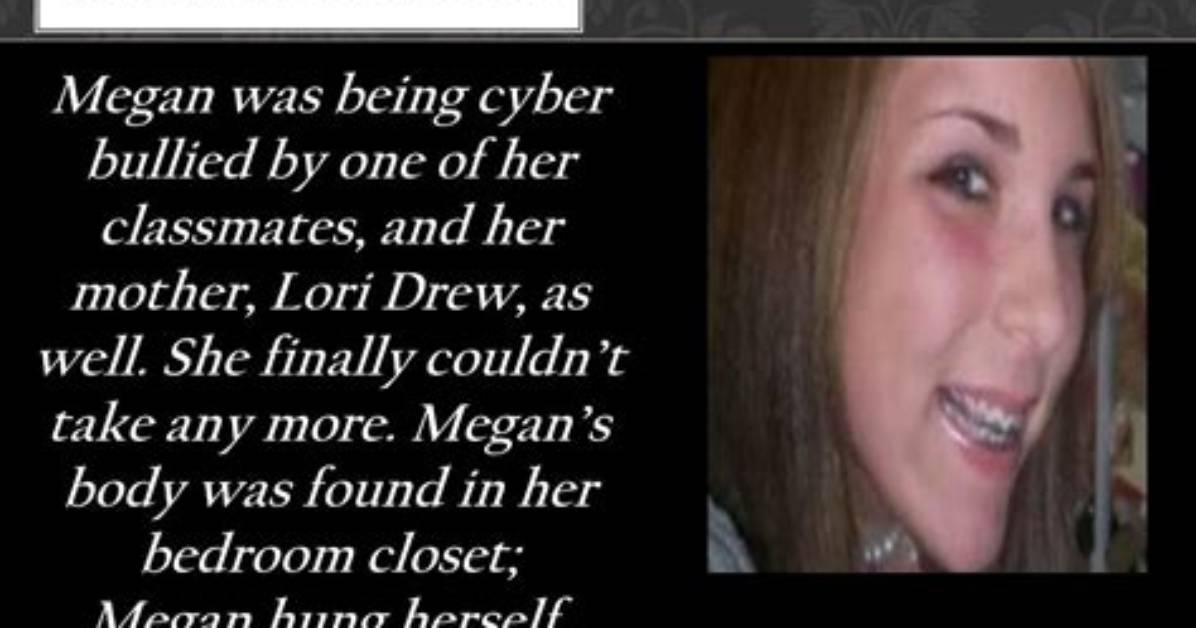
In the autumn of 2006, social media was still in its relative infancy. MySpace dominated teen culture, functioning largely as an unregulated digital commons. Megan Meier, who had struggled with attention-deficit disorder and clinical depression since third grade, received parental permission to open a monitored MySpace account. Her mother, Tina Meier, agreed under the strict condition that she supervise the account's activity.
Meier soon received a friend request from an account claiming to belong to Josh Evans, an attractive boy living in a neighboring town. For roughly six weeks, Meier and the persona exchanged messages. The correspondence grew increasingly supportive and flirtatious. The teenager believed she had found an authentic confidant who understood her insecurities.
On October 16, 2006, the tone shifted abruptly. Messages sent from the Evans account claimed Meier was unkind to her friends and circulated fabricated insults. Other neighborhood children joined the thread, piling abusive comments onto her public profile. The confrontation culminated in a message stating Meier was a bad person and that the world would be better off without her. Distraught, Meier rushed to her bedroom. Twenty minutes later, her mother discovered her unconscious. Megan died the following day at a local hospital.
Weeks passed before the Meier family learned that Josh Evans was entirely fictional. The account was registered from the home of Lori Drew, an adult neighbor whose daughter had previously fallen out with Megan. Drew later claimed the profile was set up to ascertain whether Megan was spreading rumors about her daughter. The revelation transformed a private family grief into a national reckoning over adult-directed online malice targeting children.