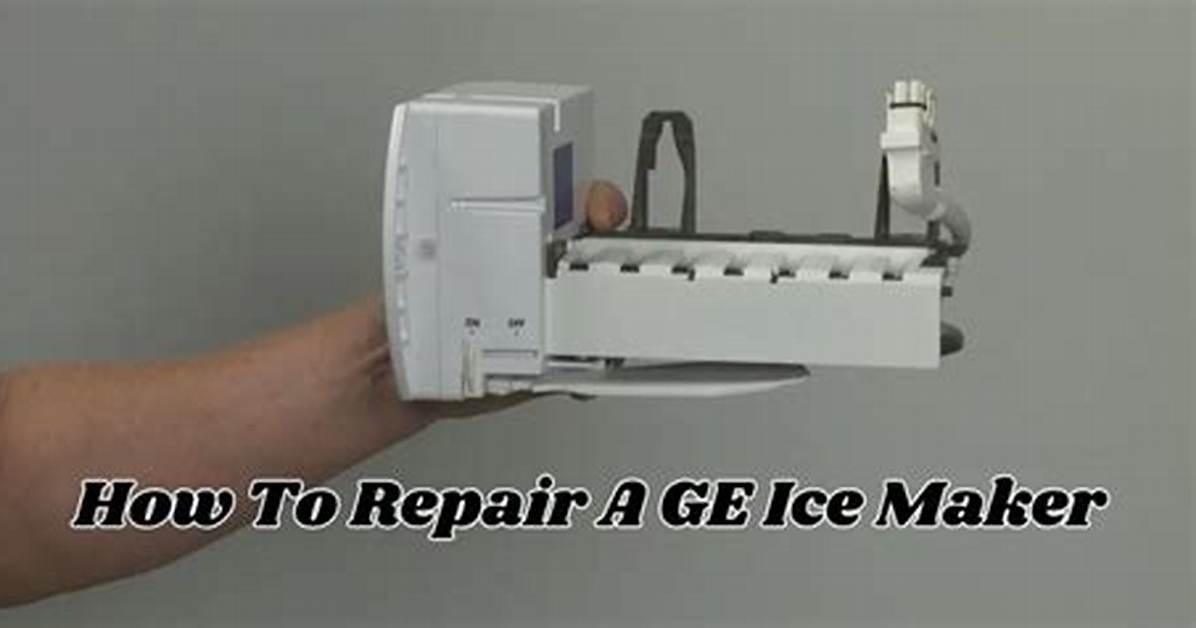
A humming solenoid accompanied by zero water in the mold points directly to a frozen fill tube. The fill tube extends through the rear freezer wall, dropping water directly into the ice tray. If the water inlet valve weeps or fails to seat with an airtight seal, residual pressure pushes microscopic droplets into the spout. Inside an environment held at 0°F (-18°C), those droplets rapidly crystallize into a solid plug of ice.
A broader defrost cycle malfunction also produces this symptom. When the cabinet's automatic defrost heater fails to engage, frost coats the back evaporator panel and migrates into the fill tube conduit. Inspect the evaporator cover inside the freezer compartment. Heavy, snowy frost patterns across the plastic trim confirm that the defrost thermostat or bimetal sensor has failed, allowing thermal drift.
To clear the blockage, disconnect appliance power. Direct a low-heat hairdryer or feed lengths of flexible 1/4-inch silicone tubing filled with hot water into the rubber fill spout. Avoid high heat guns, which melt the thin polystyrene liners. Collect melting water with shop towels until the silicone line seats completely clear. If the tube freezes again within 72 hours, replace the primary water inlet valve; a weeping internal diaphragm will continually re-freeze the port.