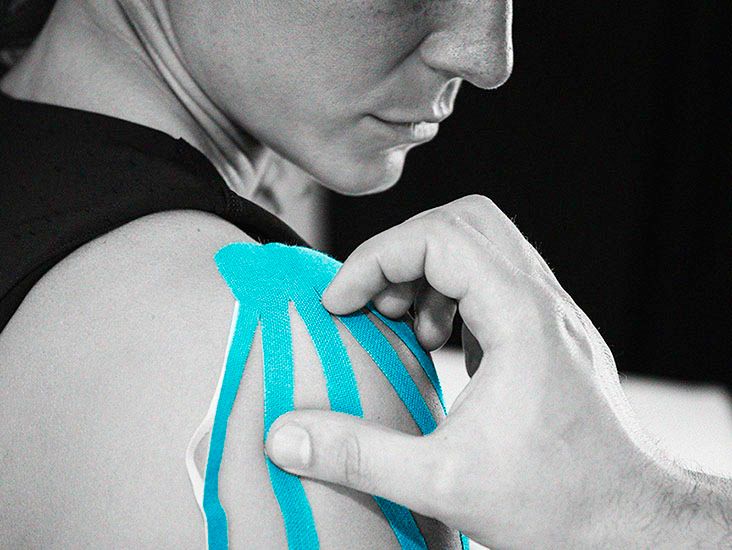
Improper application transforms a neutral sensory aid into an irritating liability. The most widespread error is applying maximum tension (75 to 100 percent stretch) across the entire strip, including the anchors. Kinesiology tape requires zero tension on the first and last two inches. Stretches applied to the anchors create intense shear stress against the epidermis, causing tension blisters, contact dermatitis, and micro-tears within hours.
A second issue involves skin preparation. The shoulder contains active sebaceous glands and traps perspiration during exercise. Applying tape over lotions, natural skin oils, or dense body hair compromises adhesion, leading to peeling edges that catch on clothing. Skin should be cleaned with isopropyl alcohol and allowed to dry completely.
Finally, relying on tape as an everyday crutch leads to diminishing returns. Mechanoreceptors habituate to constant static stimuli. Wearing tape continuously for weeks dulls the nervous system’s responsiveness to the tactile cue. Practitioners generally advise using tape for specific training sessions or flare-up phases, leaving the skin bare between applications to preserve sensory sensitivity.