The financial math behind career preparation has hit an unprecedented inflection point. Audio engineering trade schools and collegiate music technology programs charge anywhere from $30,000 to upwards of $65,000 per academic year. Yet entry-level assistant roles at surviving commercial facilities routinely pay local minimum wage or operate on freelance stipends.
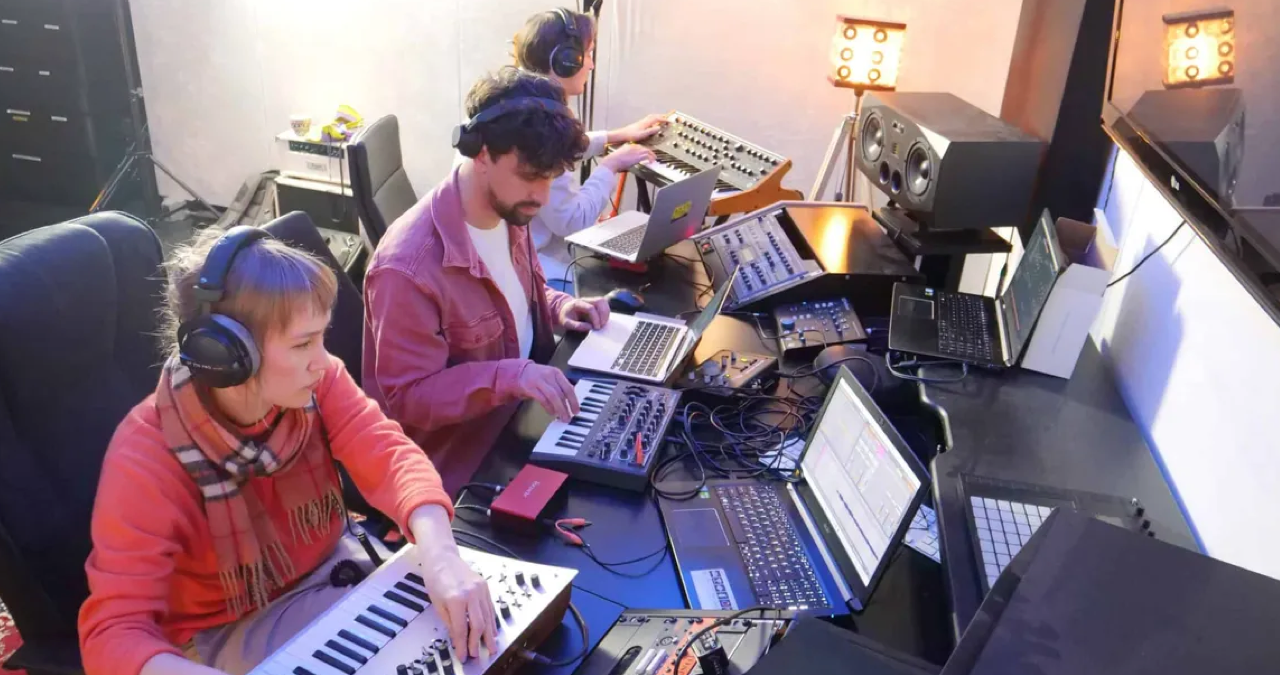
Aspiring engineers are measuring those balance sheets against the cost of professional gear. For less than $6,000, a producer can secure an acoustically treated room, calibrated studio monitors, an industry-standard microphone locker, and a lifetime software license suite. The debate is no longer theoretical; hiring managers actively disregard academic degrees when evaluating engineering submissions.
| Career Preparation Route | Estimated Capital Outlay | Time to Market | Primary Industry Asset |
|---|---|---|---|
| Formal Production School | $40,000, $130,000 | 2, 4 Years | Institutional alumni network, supervised access to commercial consoles |
| Self-Taught Modular Stack | $4,500, $12,000 | 6, 18 Months | Owned studio equipment, released streaming credits, self-directed client base |
| Studio Apprenticeship | $0, $5,000 (Opportunity cost) | 1, 3 Years | Direct artist mentorship, high-stakes session management skills |
Forums across Reddit's audio engineering boards and Discord production hubs reflect this shift in sentiment. Seasoned mix engineers frequently counsel newcomers to skip student debt entirely. The prevailing sentiment is unmistakable: commercial labels pay for completed master files that translate on consumer earplugs, not the parchment framed on a control room wall.