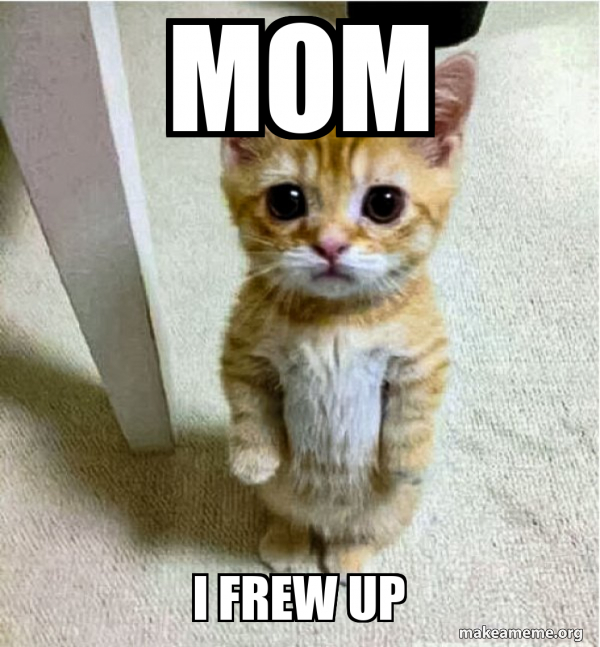
The single biggest reason the meme remains popular in 2026 is its adoption by online art and fan communities. Fandoms thrive on deflating powerful characters. The moment an anime, video game, or prestige drama introduces an intimidating, god-like antagonist, independent artists immediately draft them into pop culture redraw templates.
Artists began producing elaborate illustrations of fearsome figures reduced to pathetic toddlers. Fan artists drew Sephiroth from Final Fantasy VII standing in a crack of door light holding a spilled cup. They drew Batman sheepishly waking up Alfred Pennyworth. Sukuna from Jujutsu Kaisen, Kratos from God of War, and Astarion from Baldur's Gate 3 all received the same treatment. The visual juxtaposition never wears thin: the most powerful, brooding icons in fiction, humbled by basic biology and bad motor skills.
These community redraws function as collaborative digital folklore. Rather than simply sharing an old JPEG file, illustrators treat the premise as an artistic exercise in body language. The character's posture must balance their canonical arrogance with pure, helpless misery. That creative friction keeps community feeds stocked with original interpretations every time a new video game or television series debuts.