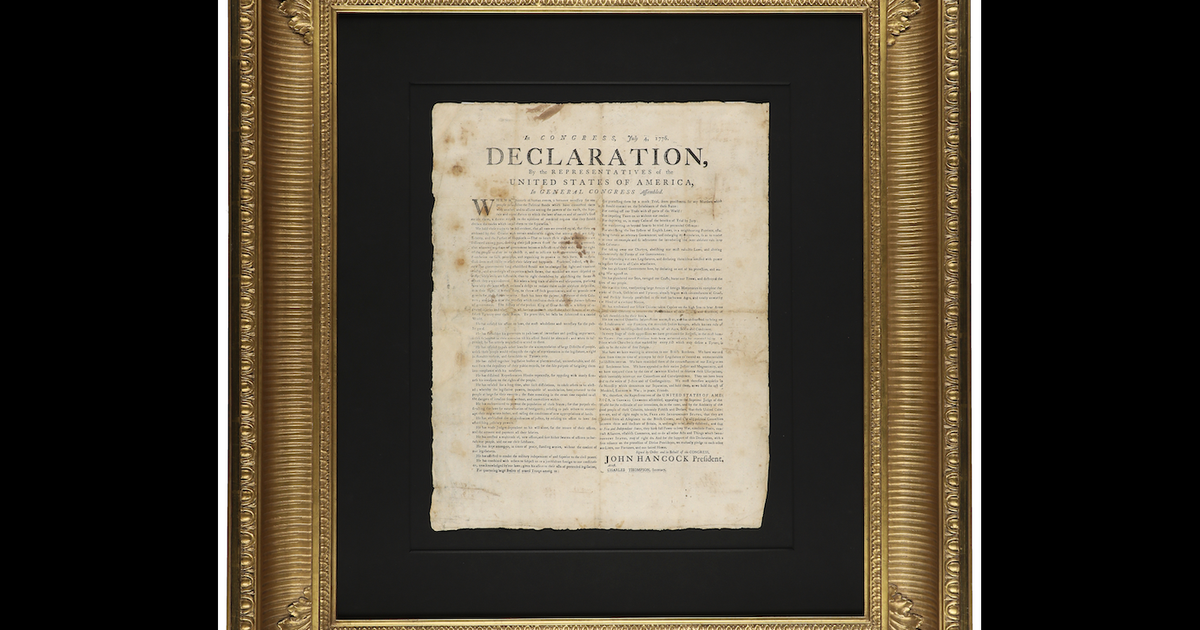
Pinpointing when America was founded requires selecting which layer of nationhood matters most. Choosing 1776 elevates moral purpose and political self-determination above institutional practicalities. Choosing 1783 emphasizes foreign diplomacy, treating a country as a construct validated by external treaties. Choosing 1789 focuses on administrative durability, defining statehood by an operative constitutional architecture.
The surviving founding documents demonstrate that nationhood is a multi-stage process rather than a static calendar entry. The Declaration set the moral terms, the Treaty of Paris established the borders, and the Constitution built the enduring engine. Each document captures a distinct phase in a sequence of political reinvention, ensuring that the debate over America’s true birth year remains as vibrant as the archival texts that record it.