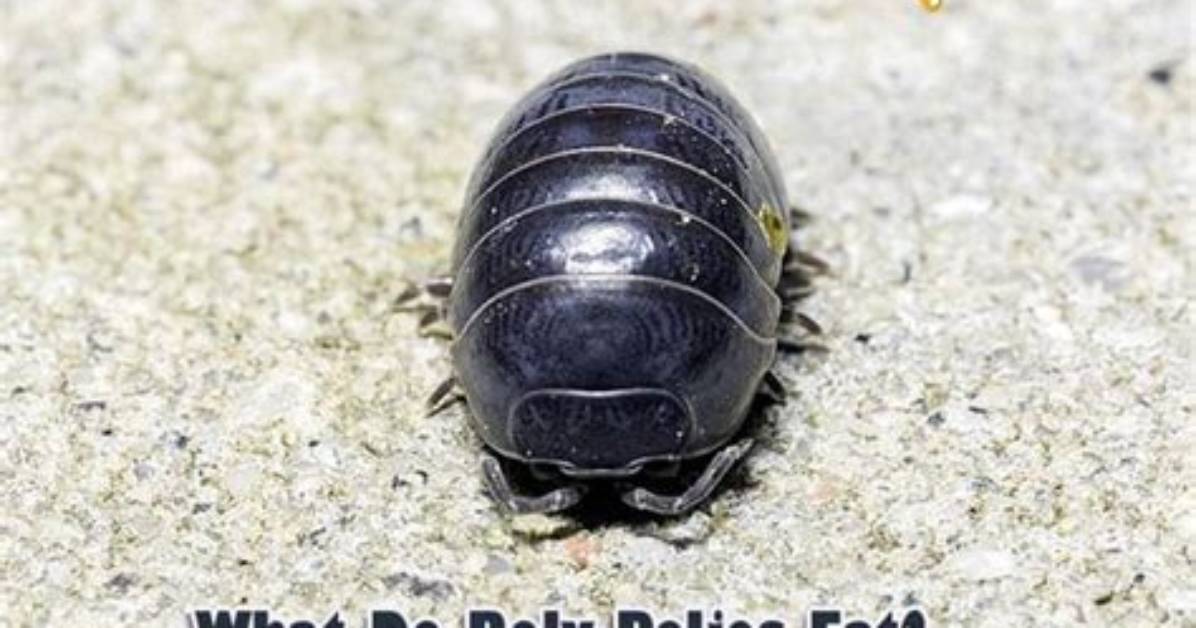
A plastic bottle cap filled with tap water looks harmless to human eyes. To a 12-millimeter pill bug, it is a deadly reservoir. Surface tension pulls the isopod under the water surface, and because their respiratory gills are positioned on their lower abdomen, submersion leads to rapid asphyxiation. Never place open water bowls in an isopod habitat.
Effective hydration relies on high-grade long-fiber sphagnum moss. Clump a dense mound of moss across approximately one-third of the terrarium's floor. Sphagnum acts as a natural sponge, absorbing water without creating open standing pools. It holds humidity over days and slowly releases vapor into the surrounding air pockets.
When misting the habitat, direct the spray bottle exclusively toward the moss side. Aim for a fine mist rather than heavy streams. Fine droplets cling to the moss fibers, bark crevices, and enclosure walls, creating an ideal drinking station where isopods can safely drink from suspended beads of water.
Municipal tap water treated with heavy chlorine or chloramines can stress colonies over time. Use dechlorinated water, reverse-osmosis water, or natural spring water for all misting routines. This prevents chemical residues from building up in the substrate, where isopods constantly forage and consume soil minerals.