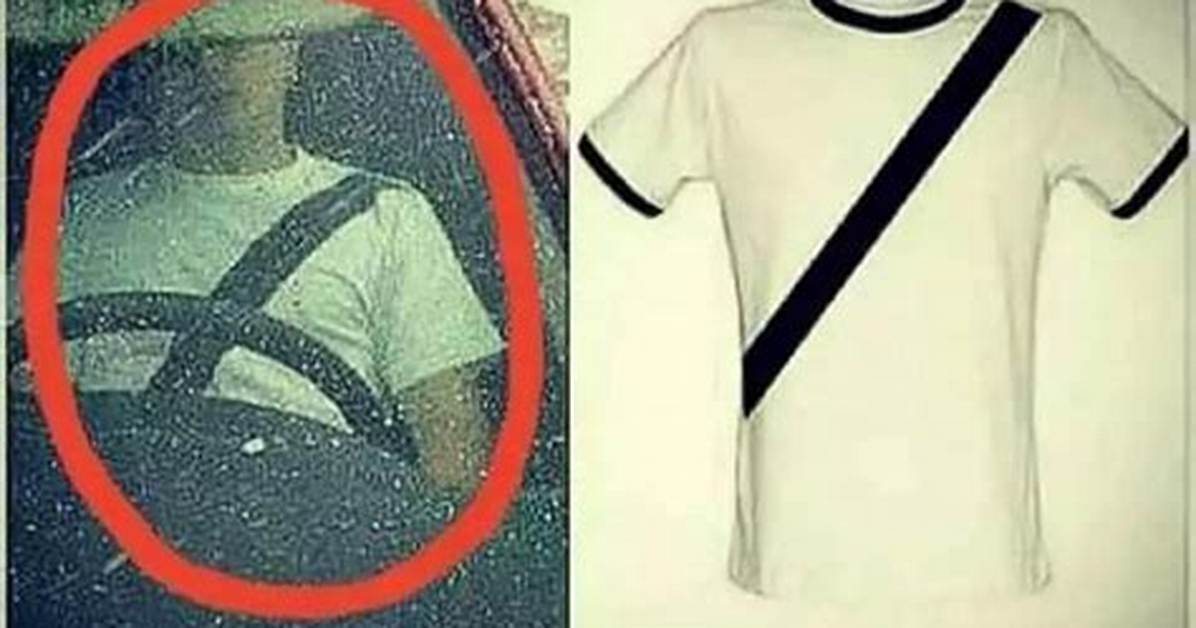
The core proposition of the shirt hinges on visual deceit. Could a two-dimensional strip of black ink actually fool traffic camera evasion targets? In the mid-2000s, when municipal enforcement relied on low-resolution, stationary speed cameras capturing grainy black-and-white stills, a high-contrast diagonal line might have occasionally blended into the shadows of a cabin. In 2026, traffic surveillance detection operates on an entirely different plane of technology.
Transportation agencies across North America, the United Kingdom, Europe, and Australia have deployed high-definition, AI-assisted road safety enforcement cameras. Specialized imaging systems, such as those pioneered by Acusensus and Jenoptik, do not just snap flat snapshots. They deploy high-shutter-speed lenses paired with polarized infrared flash units capable of cutting straight through windshield glare, tinted glass, and night-time shadows.
The algorithmic models powering these cameras evaluate precise physical attributes: the three-dimensional tension of the webbing, the hardware anchoring points on the vehicle’s B-pillar, and the physical buckle insertion near the center console. A screen-printed polyester sash lacks physical depth. It wrinkles with body posture, bends across loose cotton folds, and completely misses the upper anchor mechanism where a real belt enters the vehicle pillar. To an AI visual classifier, a fake seatbelt t-shirt stands out as an obvious defect, instantly flagging the vehicle for human officer review.
| Enforcement System | Detection Technology | Effectiveness of Printed Shirt |
|---|---|---|
| Legacy Fixed Speed Cameras (2000, 2012) | Low-resolution monochrome film or early digital sensors; external flash | Moderate optical confusion at distance; often unreviewed for seatbelt use |
| Patrol Officers on Roadside Duty | Direct line of sight, side-angle inspection, natural light depth perception | Zero effect; fabric wrinkles and lack of upper pillar anchor immediately obvious |
| AI-Driven Safety Cameras (2020, 2026) | Polarized infrared illumination, neural network belt-anchor tracking, sub-millimeter edge detection | Complete failure; AI identifies lack of strap tension, latch insertion, and webbing weave |