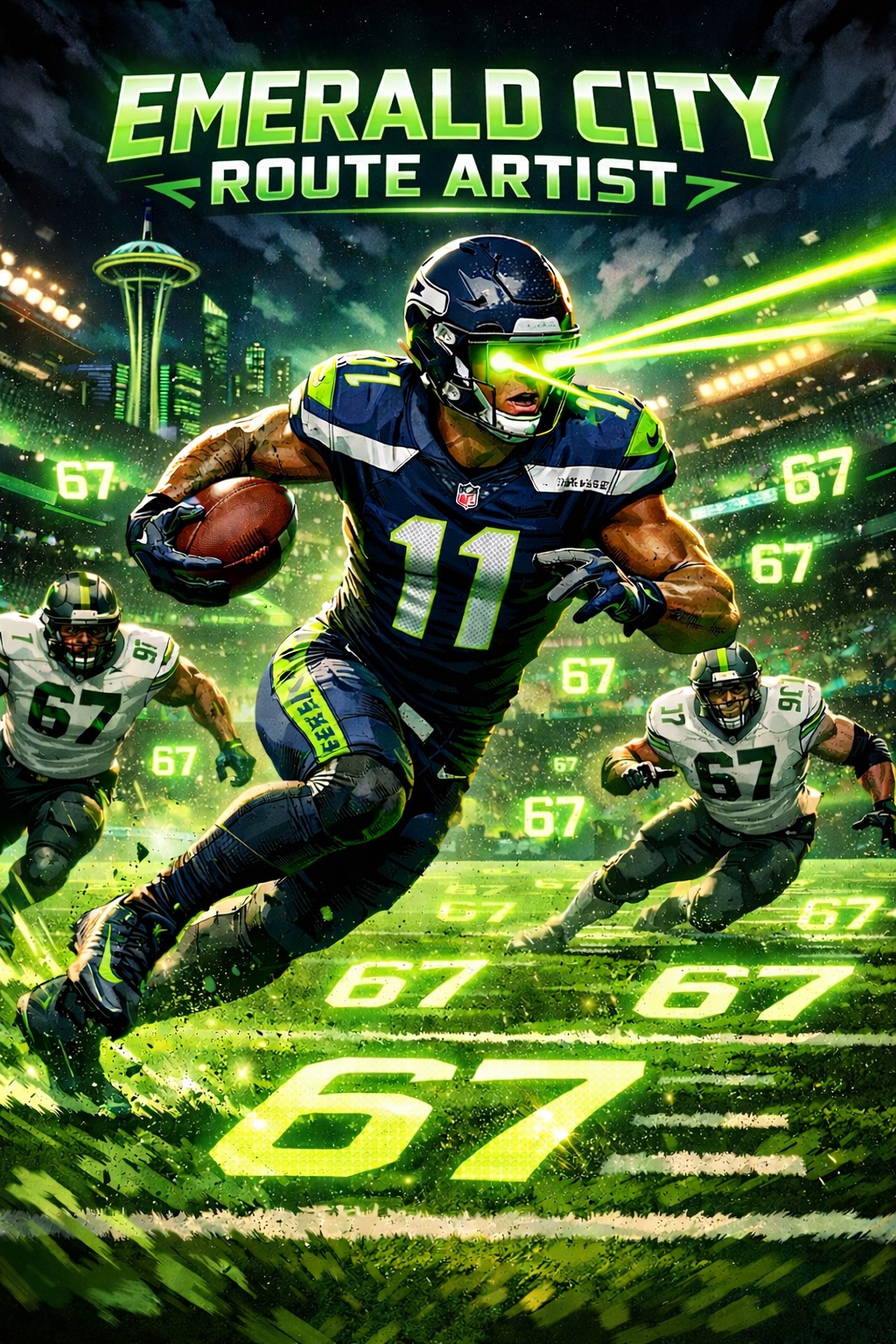
Great sports monikers possess an effortless, spontaneous quality. Marshawn Lynch earned "Beast Mode" because his violent running style demanded visceral language. Calvin Johnson became "Megatron" because teammate Roy Williams watched him run past defensive backs looking like an alien machine. These titles emerge from locker rooms, bleachers, and neighborhood parks, not design software.
When marketers or aggressive fan pages try to invent monikers out of whole cloth, the public instantly detects the artificiality. The table below traces how modern football monikers gained traction versus how forced experiments dissolved into mockery over the last decade.
| Nickname & Player | Origin Mechanism | Public Sentiment | Cultural Lifespan |
|---|---|---|---|
| "Beast Mode"(Marshawn Lynch) | Organic interview soundbite and punishing play style | Universal acclaim; adopted globally | Permanent sports lexicon (2010, Present) |
| "Legion of Boom"(Seahawks Secondary) | Local radio show listener contest turned locker room rally cry | Iconic team branding; commercially dominant | Historical NFL staple (2012, 2018) |
| "Cheetah"(Tyreek Hill) | Direct athletic comparison based on track speed | Widely recognized; straightforward | Active mainstream use (2016, Present) |
| "ECRA"(Jaxon Smith-Njigba) | Forced social media promotional graphic | Widespread satirical roasting | Viral meme cycle (February 2026) |