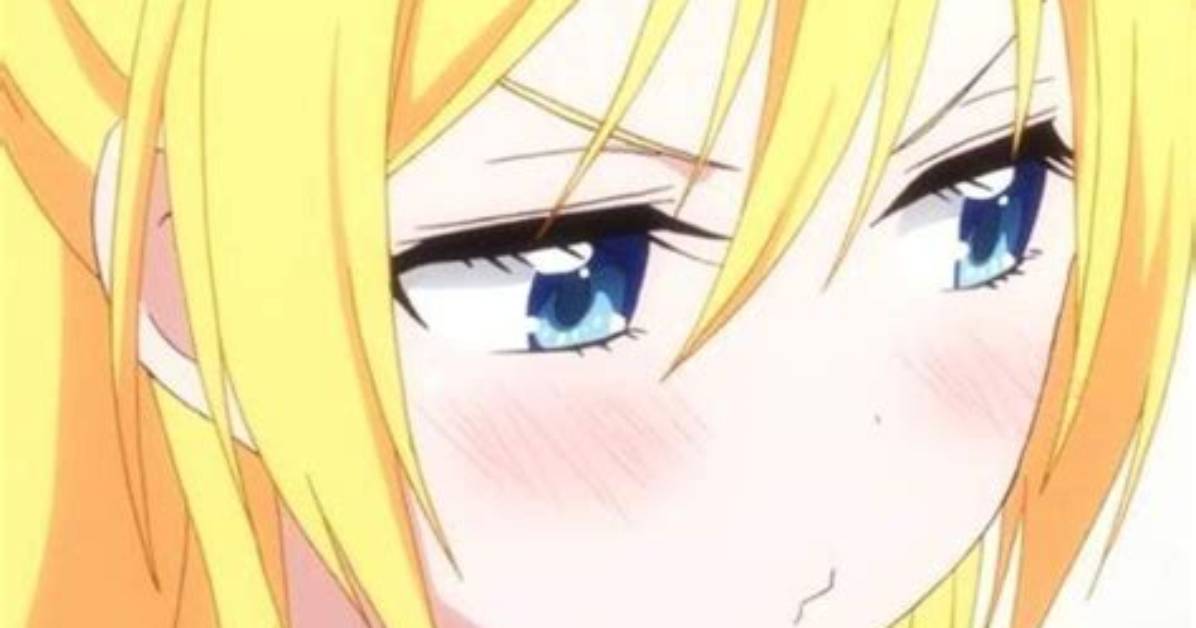
Plain text struggles to communicate sarcasm. Without audio inflection, an aggressive sentence can easily read as genuine hostility. Japanese cute text emojis and calculated typographical quirks provide necessary tonal signposts, reassuring readers that the rant is purely theatrical.
Hyphens serve as rhythmic brakes. Placing a hyphen after the initial consonant, such as "I-It's", simulates involuntary vocal hesitation. Ellipses indicate emotional retreat, demonstrating that the speaker realizes they have said too much. Exclamation marks paired with capital letters reassert control through artificial fury.
The visual centerpiece remains the tsundere kaomoji. Unlike Western emoticons that read sideways, kaomoji rely on horizontal facial arrangements using full-width Japanese characters, slashes, and angled parentheses:
(>///<): The blushing scowl. Angle brackets represent clamped-shut eyes, while forward slashes denote intense blushing.(  ̄^ ̄): The indignant turn. Depicts a character looking away in feigned superiority.(*/_\): Hands hiding eyes. Suggests acute embarrassment following an accidental admission of affection.(¬_¬ ): The skeptical side-eye. Communicates irritation bordering on disbelief.