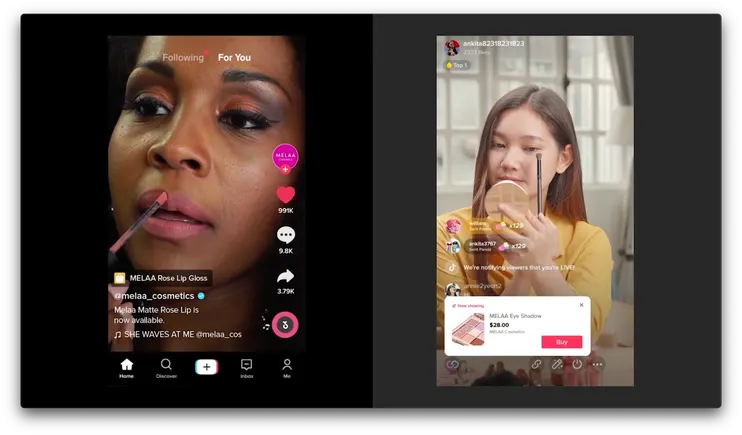
Enterprise live streaming demands serious technical infrastructure. The physical TikTok Live studio setup inside corporate headquarters looks far more like a commercial television soundstage than an influencer bedroom. Production teams rely on three-point cinema lighting grids, dedicated boom microphones, multi-camera switchers using SDI outputs, and low-latency hardware encoders configured specifically for 1080x1920 vertical signals.
Real-time audience engagement relies heavily on the technical stability behind the camera. If audio drops out for four seconds, hundreds of viewers swipe away instantly. Live producers use hardware control surfaces like Elgato Stream Decks and Blackmagic ATEM switchers to fire sound cues, adjust camera angles when hosts display close-up product details, and display on-screen graphics highlighting limited-time promotional vouchers.
Backstage teams also manage specialized teleprompter monitors positioned just off-lens. These displays do not feed scripted lines. Instead, they supply live analytics: current viewer retention curves, top active geographies, and pinned questions compiled by back-end moderators. The host remains the voice of the show, but the manager acts as air traffic control, dictating when to push a product pin, when to launch an interactive poll, and when to pivot the conversation.