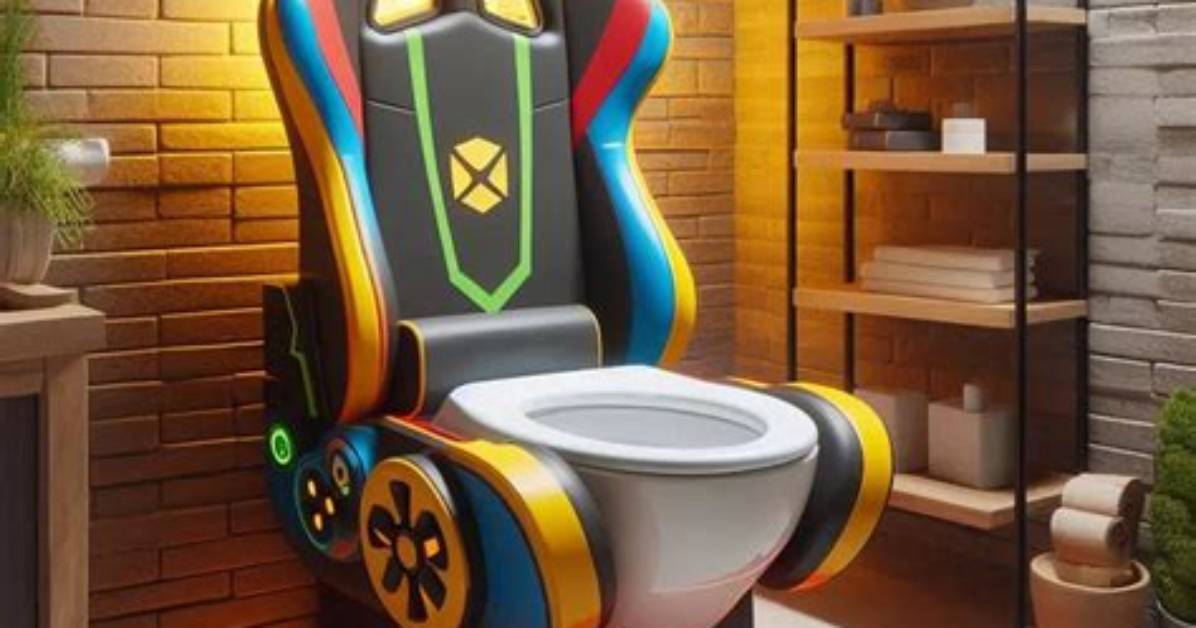
The archetype of the player unwilling to stand up for basic biological needs entered mass culture in 2006. In the classic South Park episode "Make Love, Not Warcraft," the boys battle a rogue World of Warcraft griefer by staging a round-the-clock endurance run. When Eric Cartman refuses to abandon a high-stakes raid boss encounter, his mother brings a plastic bedpan to his desk, spawning the infamous South Park gamer chair meme that would follow competitive esports for the next twenty years.
Online gaming lore quickly expanded on the joke. The popular YouTube machinima series Battlefield Friends popularized the concept of the "poop bucket" as the definitive badge of honor for the hyper-dedicated "Colonel 100" rank. Over time, these comedic exaggerations codified a set of hardcore gamer hygiene myths. The stereotype evolved from a caricature of neglect into an ironic engineering challenge: what would it actually take to create a zero-interruption marathon gaming bathroom hack?
By the mid-2010s, Twitch streamers were routinely broadcasting 24-to-48-hour continuous charity streams. The physical logistics of these broadcasts led to genuine interest in desk optimization. Viewers jokingly demanded seats capable of handling waste, while DIY creators on YouTube built temporary commode gaming chair rigs out of bucket seats and portable camping toilets to rack up millions of views. The joke had migrated from late-night cable animation to real-world creator culture.