
In classic animation, violence carries zero physical weight. Wile E. Coyote falls from a cliff, flattens like an accordion, and bounces back in the next frame. Tom gets flattened by a frying pan, wearing the cast-iron impression for three seconds before his face pops back to normal. Modern internet humor stripped away that protective cartoon physics.
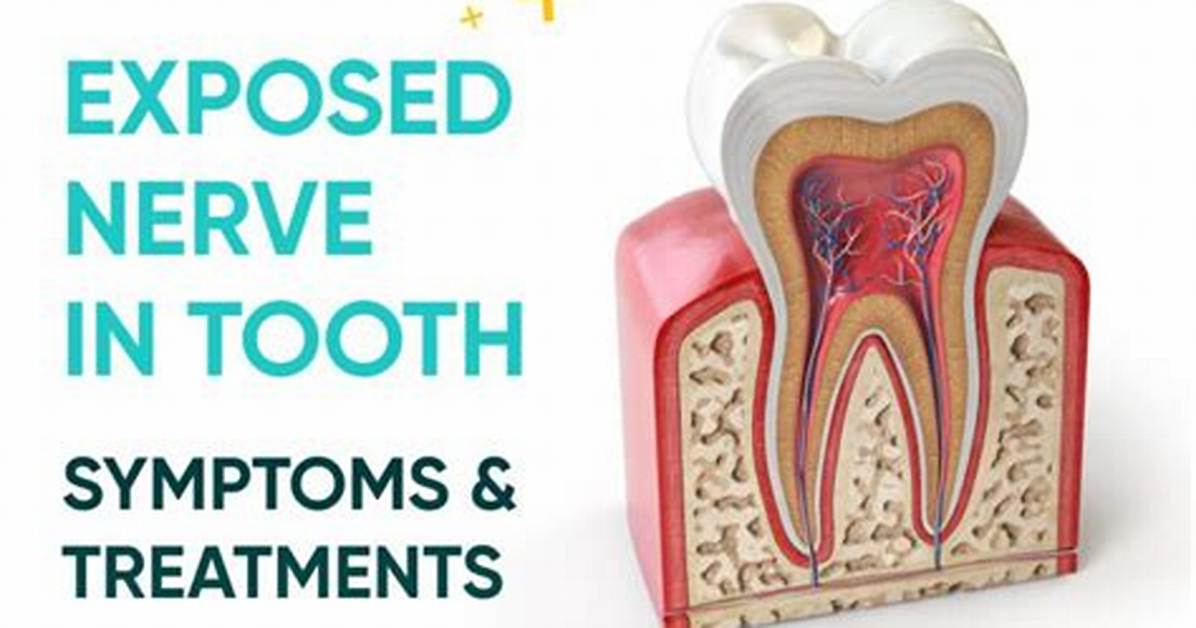
The turning point arrived with the pilot of Smiling Friends, created by internet animators Zach Hadel (psychicpebbles) and Michael Cusack. When the cheerful pink protagonist, Pim, attempts to console a suicidal client, a stray hair on his head is yanked by Charlie. The hair turns out to be an exposed nerve ending. Pim's face instantly contorts into a hyper-realistic, photorealistic mask of unadulterated agony, accompanied by a genuine, throat-shredding scream of human agony. The bit ended in seconds, but the cultural imprint stuck.
Hadel and Cusack tapped into a generational shift in comedy. They married early 2000s Newgrounds shock animation with modern surreal internet comedy, demonstrating that inflicting hyper-specific anatomical trauma on a simplistic character yields immediate, involuntary audience engagement.

