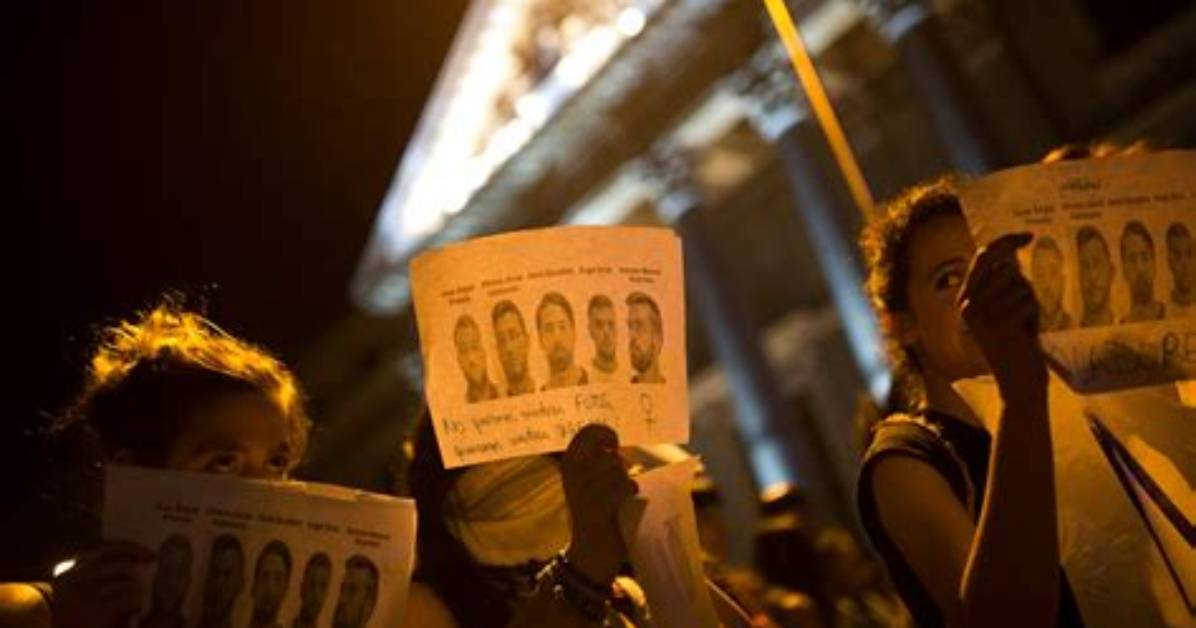
Spain had long positioned itself as a pioneer in European progressive policy. Prime Minister Pedro Sánchez led an administration that prioritized gender parity quotas and passed landmark sexual consent legislation commonly known as "Solo Sí Es Sí" (Only Yes Means Yes). The high-profile condemnation of Rubiales was politically straightforward for government officials. What followed inside their own ranks proved far more contentious.
By late 2024 and throughout 2025, accusations of workplace abuse and sexual misconduct landed on political leaders who had publicly championed the feminist banner. Whistleblower disclosures surfaced regarding Íñigo Errejón, a co-founder of Podemos and spokesperson for the progressive Sumar coalition. The fallout was immediate. Errejón stepped down from parliamentary politics following credible allegations of abuse, sending shockwaves through the left-wing parties supporting the Sánchez coalition.
The scandal widened when allegations of toxic workplace behavior, intimidation, and concealed complaints emerged within branches of the Spanish Socialist Workers' Party (PSOE). Opposition parties seized on the revelations, accusing progressive coalitions of maintaining institutional double standards. The public refused to accept ideological exemptions. The standard established during the RFEF crisis, where verbal defenses collapse in the face of verified testimony, applied equally to legislators championing reform from the parliamentary podium.