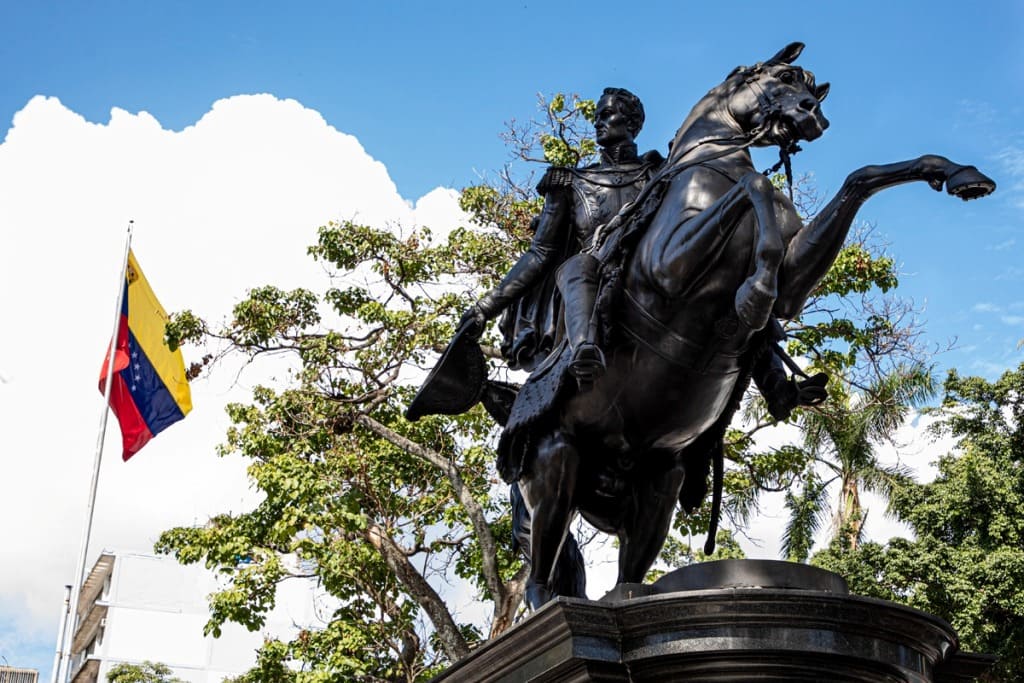
Equine coat genetics reveal why modern historians dismiss depictions of Palomo as a gleaming, chalk-white warhorse. Dominant white horses are exceedingly rare biological mutations that carry lethal white syndrome risk in selective breeding. Almost all historical horses documented as "white" were actually grey (tordillo in Spanish veterinary logs).
A grey horse is born dark brown, black, or bay, carrying an inherited mutation of the STX17 gene. Over six to ten years, melanin production within the hair follicles slows, silvering the coat through dapple-grey stages until it appears greyish-white in maturity. If Bolívar rode a five-year-old mount at the Battle of Boyacá in 1819, the animal would have had a distinctly mottled, slate-colored coat with dark points on the legs, muzzle, and ears.
Furthermore, veteran officers in the Latin American independence cavalry avoided conspicuous white horses during close-range reconnaissance. British and Irish mercenaries serving in the British Legion alongside Bolívar wrote extensively about battlefield hazards in their memoirs. Major George Laval Chesterton noted that pale mounts made commanders easy targets for royalist Spanish snipers and cavalry lances. A chalk-white horse stood out against the ochre páramo grass and muddy riverbanks. A fleabitten or dappled coat provided far better camouflage in the field.