
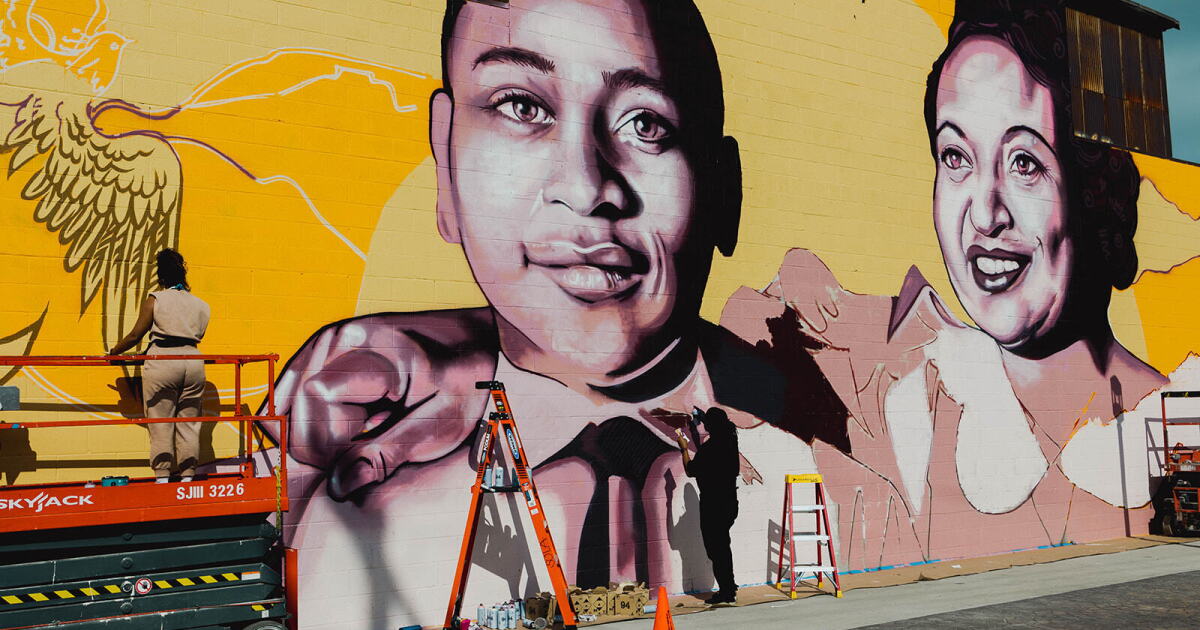
Mamie Till-Mobley's insistence on visual transparency created an enduring doctrine for civil rights photojournalism: systemic violence persists when it remains unseen. By exposing her family's grief to the lens of David Jackson, she transformed a private lynching into an indelible indictment of the American legal apparatus.
That decision continues to shape how modern movements document injustice. From handheld smartphone recordings of police violence to the physical memorials preserved along the Mississippi Delta, the visual record established in September 1955 remains an active, unyielding demand for systemic accountability.


