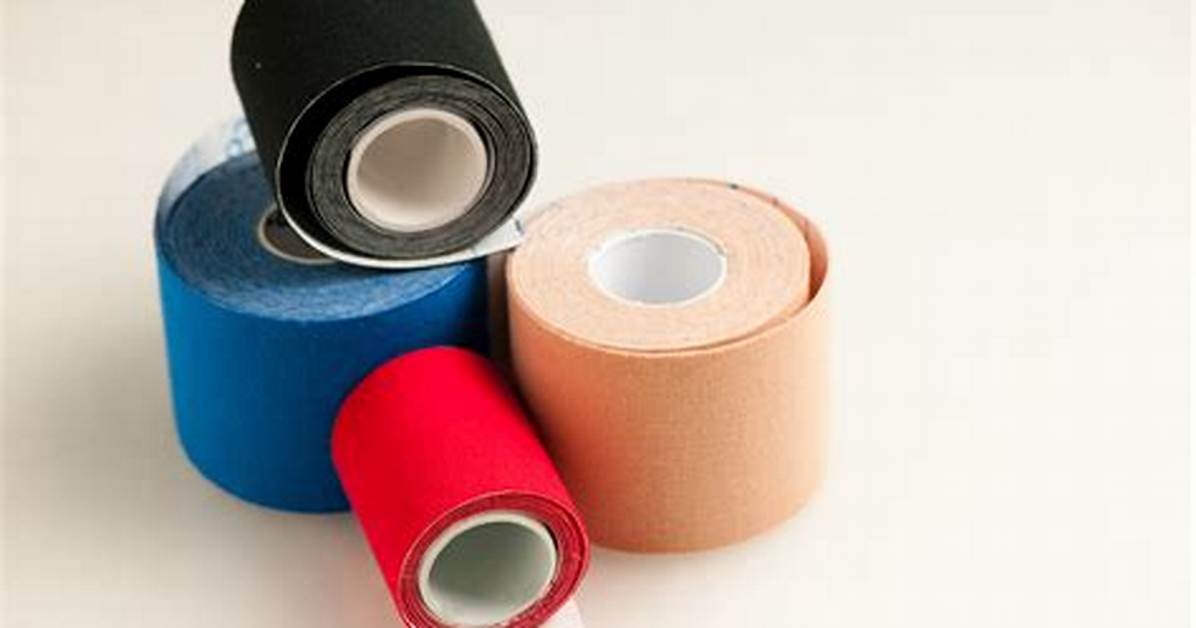
Marketing campaigns frequently suggest that tape physically offloads tearing tendons or repositions a subluxated humerus. Human shoulder biomechanics, however, tell a different physical story.
The supraspinatus, infraspinatus, teres minor, and subscapularis muscles lie deep beneath thick layers of subcutaneous fat, fascia, and the heavy mass of the deltoid. Applying a fraction of a millimeter of elastic fabric to the superficial epidermis cannot exert enough tensile force to counteract the hundreds of Newtons generated during an overhead smash or a clean-and-jerk. It does not provide mechanical tendon unloading for rotator cuff pain relief in the manner of an orthopedic brace.
Instead, contemporary neurophysiology points toward cutaneous afferent signaling. When tape stretches over the skin, it stimulates mechanoreceptors, specifically Ruffini endings and Merkel discs. This input creates immediate proprioceptive feedback. The brain receives real-time sensory data regarding where the arm sits in space, prompting subconscious motor corrections.
For athletes suffering from shoulder impingement, this sensory reminder can keep the humeral head properly centered within the glenoid fossa during elevation. Rather than mechanically changing bone trajectory, the tape acts as an external sensor, reminding the user not to slouch into an impingement-prone posture.