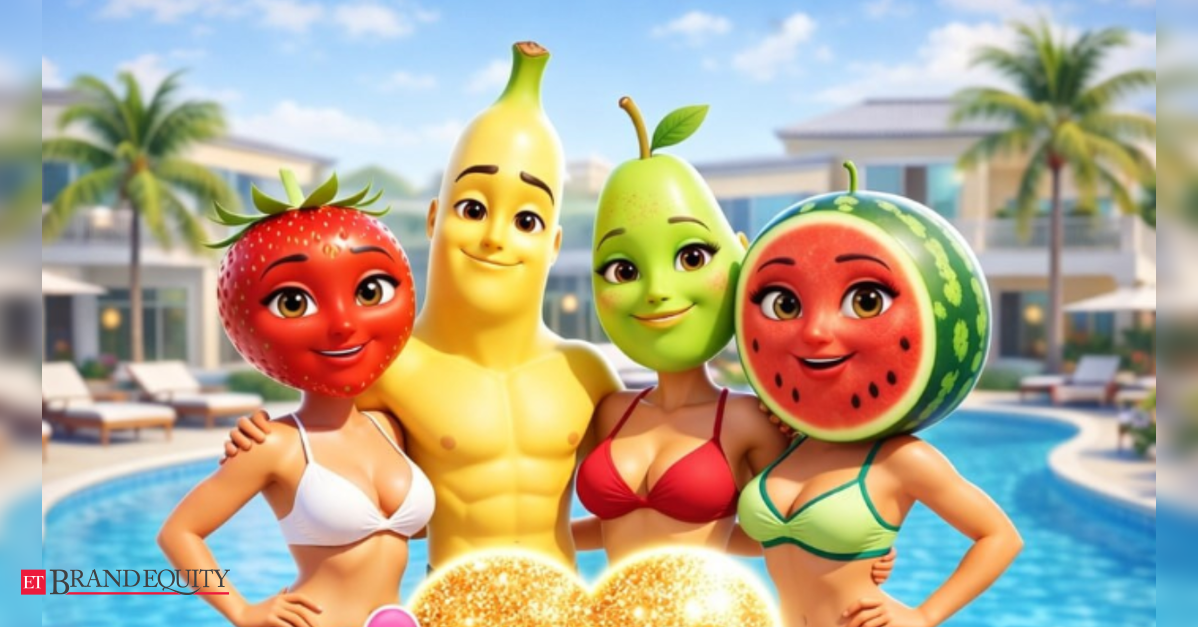
The dramatic machinery behind these clips relies on deliberate narrative dissonance. Reporting in The New York Times by Madison Malone Kircher observed that the most viral story arcs center on mundane human betrayals enacted by agricultural goods. A gala apple discovers text messages between an avocado and an heirloom tomato. The dialogue mirrors trash-TV conventions with uncanny accuracy, using breathless recaps, dramatic pauses, and explosive accusations.
The uncanny visual nature of generative video elevates the humor. Because modern video models occasionally warp anatomical boundaries, the fruits express emotion through unsettling micro-expressions. A tear sliding down the rind of a cantaloupe feels simultaneously absurd and hypnotic. Viewers are not watching because they believe the imagery is real; they watch because the uncanny execution is inherently hilarious.
The trend has already crossed into physical spaces. Fans have begun staging live-action parodies using ordinary supermarket produce, propping lemons and bananas on kitchen counters while dubbing over the viral synthetic audio. This analog feedback loop illustrates how internet absurdity routinely moves from digital generation back into physical performance.