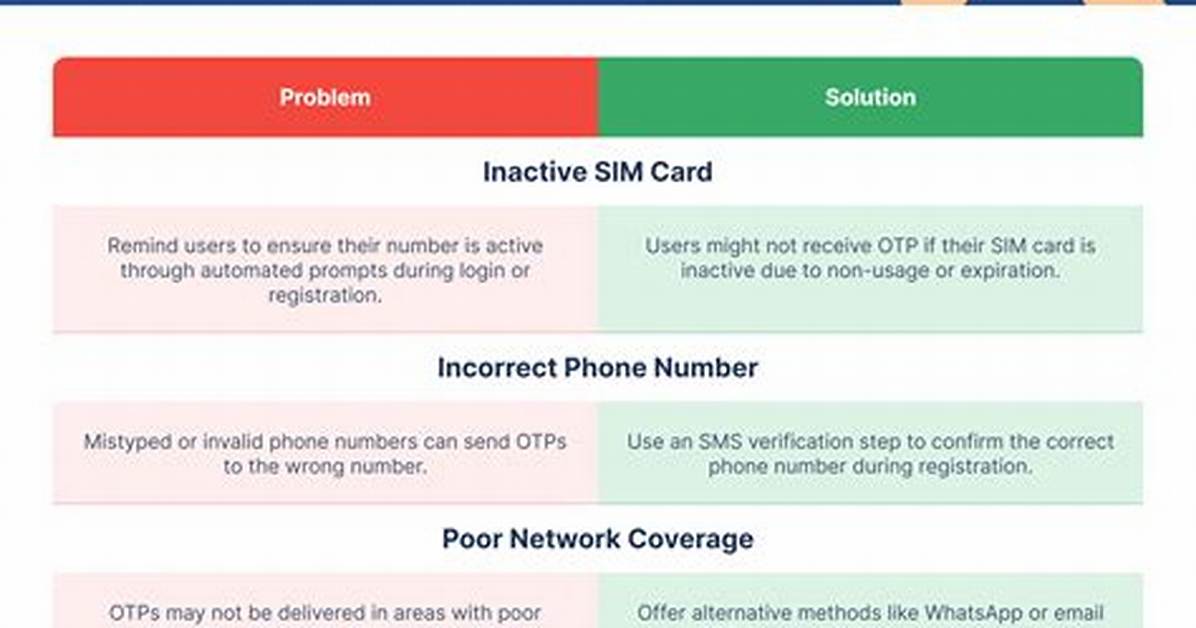
The balance between consumer convenience and identity verification has shifted through four distinct eras. As attacks grew cheaper to automate, authentication models traded cellular transport for cryptographically bound hardware channels.
| Authentication Era | Core Delivery Rail | Primary Security Vulnerability | Primary Adoption Driver |
|---|---|---|---|
| Legacy SMS (2005, 2015) | Cellular GSM / SS7 Signaling | Cleartext interception; carrier network snooping | Broad hardware compatibility across feature phones |
| App Totp (2016, 2021) | Local Software (Google Authenticator, Authy) | Real-time proxy phishing; adversary-in-the-middle kits | Smartphone adoption; decoupling from carrier hacks |
| In-App Push (2022, 2024) | Encrypted Push via Native Bank Apps | MFA fatigue; user prompt spamming | Severe SMS transit fees charged by aggregators |
| Passkeys / FIDO2 (2025, 2026) | Hardware Enclaves / Public-Key Cryptography | Physical device loss; cross-ecosystem synchronization | Total phishing scam prevention; zero manual entry |
This progression reveals a clear technical pattern. Whenever human users are asked to manually read digits off one screen and type them into another, attackers find a way to manipulate that transfer. Eliminating human relay points is the only durable countermeasure.