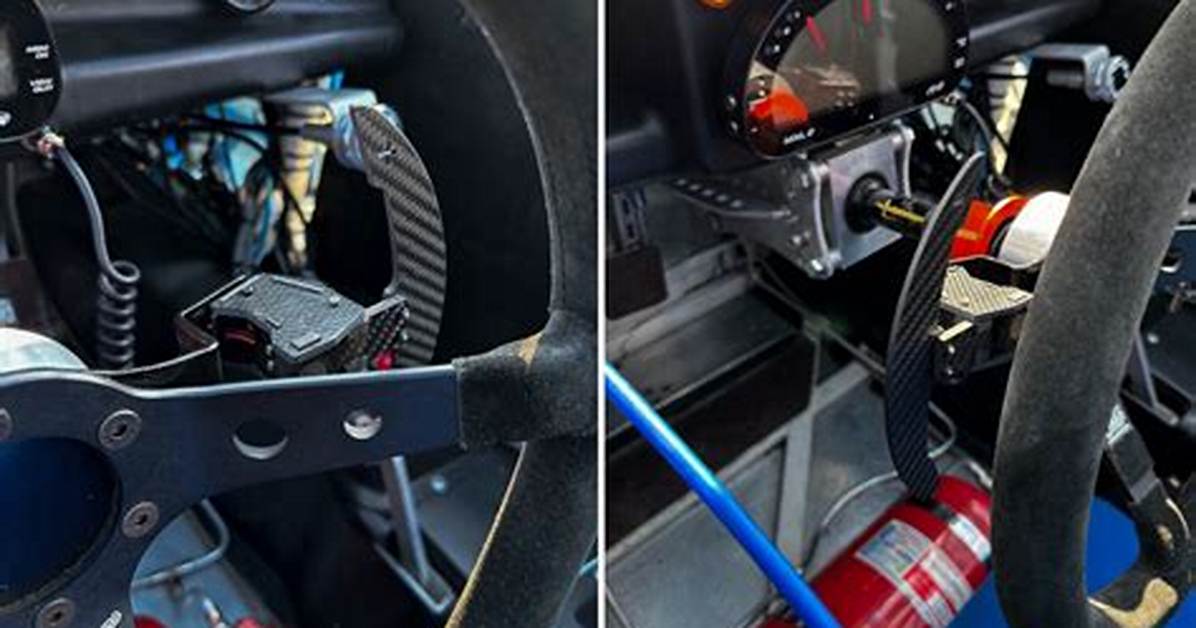
Plugging in the hardware does not guarantee the car will listen. In non-sport trims, pulling an upshift paddle sends voltage to the SCCM, but the BCM refuses to forward the command to the transmission controller. The factory configuration files must be modified to acknowledge the new switches.
Enthusiasts achieve this through diagnostic tools like AlfaOBD or the aftermarket Z Automotive Tazer. Connected directly to the diagnostic port, or spliced into the Security Gateway Module (SGW) on 2018 and newer builds, the tool executes an electronic BCM paddle shifter enablement command.
[Diagnostic Interface: BCM Configuration]
├── Read Vehicle Configuration File
├── Locate Address: "Paddles Present"
│ └── Change Value: [Disabled / Absent] ➔ [Enabled / Present]
├── Locate Address: "Drive Modes / Sport Mode"
│ └── Change Value: [Standard] ➔ [Enabled]
└── Write to BCM ➔ Perform Full Network Hard Reset (Key-Cycle / 240s Sleep)
Once the BCM saves this configuration, the vehicle’s central network acknowledges the steering wheel controls pinout. The instrument cluster updates, instantly revealing a gear indicator (`D1`, `D2`, etc.) in place of the static `D` icon whenever the driver clicks a paddle. For cars built with standard 5.7L Hemis or 3.6L Pentastars, this software handshake unlocks complete manual control over every shift point.