Q1: Why do alkaline batteries leak white powder inside electronics?
A1: That white crystalline residue is potassium carbonate, formed when the battery's liquid potassium hydroxide electrolyte reacts with airborne carbon dioxide. As alkaline cells discharge, chemical reactions produce hydrogen gas. When internal pressure builds over time or through deep discharge, the protective insulating seals at the negative terminal rupture, allowing the corrosive electrolyte to escape.
Q2: Can I use rechargeable 1.2V NiMH batteries in devices marked for 1.5V?
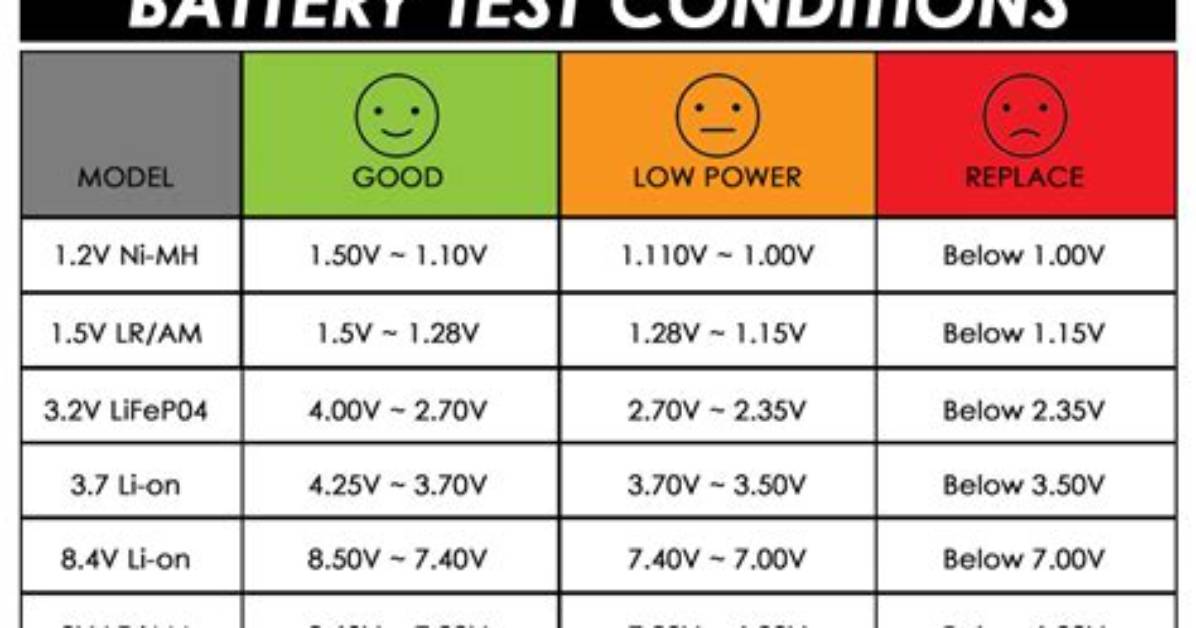
A2: Yes, in almost all consumer hardware. While labeled at 1.2V, NiMH cells maintain that voltage steadily throughout their operating cycle. A typical 1.5V alkaline drops below 1.2V within the first 30% to 40% of its discharge cycle. Most devices work properly on NiMH, with the rare exception of medical monitoring equipment calibrated to detect specific voltage curves.
Q3: Does storing batteries in the refrigerator extend their shelf life?
A3: Modern alkaline and lithium cells do not benefit from refrigeration. Today's chemistries experience self-discharge rates of less than 2% to 3% annually at standard room temperatures (68°F). Placing them in a refrigerator introduces condensation risks, which corrodes terminal contacts and damages protective seals.