Sourcing replacement suspension parts in an English-speaking country requires more than swapping a single noun. You need exact descriptive phrases that tell the parts counter clerk or wholesale website precisely what hardware you want delivered.
When searching for replacements, aftermarket suppliers like Bilstein, KYB, Monroe, and Gabriel offer multiple configurations of the same part. If you request a bare strut, you receive solely the pressurized hydraulic cartridge with mounting ears. Installing it requires a dangerous spring compressor tool to dismantle your old assembly, reuse your aged coil spring, and swap over your existing rubber isolators. This can turn a clean one-hour driveway repair into a risky, frustrating three-hour ordeal.
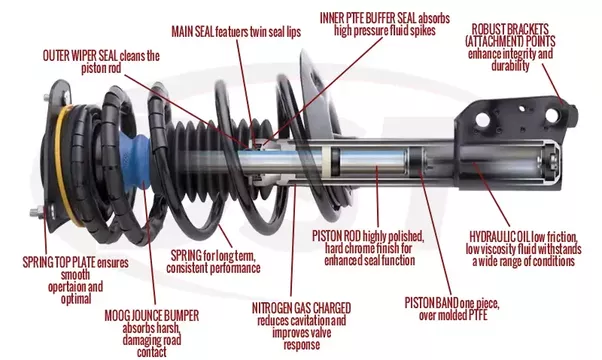
If you want a painless installation, the phrase to use is complete strut assembly or the commercial trade term loaded strut (often branded as "Quick-Strut" by Monroe). These arrive factory-compressed with a calibrated coil spring, fresh top bearing mount, internal bump stop, and protective dust boot already installed. You simply unbolt three nuts at the upper strut tower, two knuckle bolts at the base, and slide the entire fresh module into place.
When ordering amortiguadores traseros, check whether the vehicle features an independent rear suspension (IRS) or a solid beam axle. Many modern crossovers use struts on all four corners, while pickup trucks almost universally match front double-wishbone struts (or shocks) with standalone rear shock absorbers anchored directly to the ladder frame.