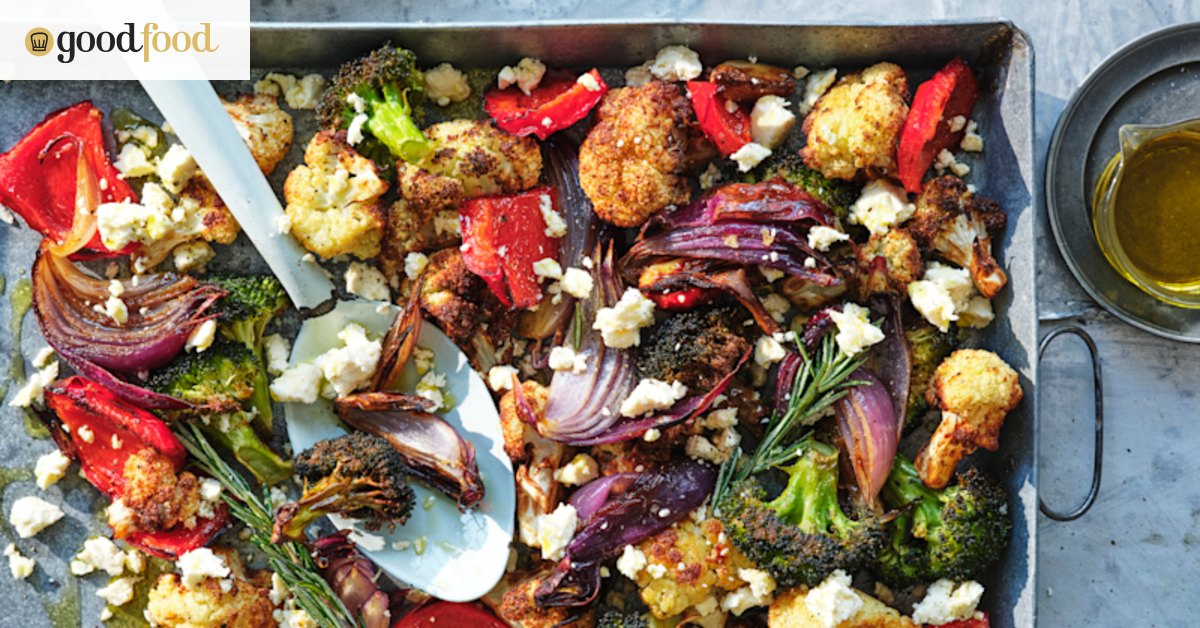
Water is the fundamental enemy of high-velocity roasting. In a standard conventional oven, a wide sheet pan allows evaporated water to disperse into a large chamber. Inside a compact four-to-six-quart air fryer basket, moisture evaporating from fresh produce quickly creates a pressurized steam trap. If raw florets enter the basket damp from washing, surface moisture stalls the Maillard reaction until the vegetable interior has already overcooked into mush.
Professional test kitchens cracked this problem through strict vegetable moisture control. Patting cut produce dry with lint-free kitchen towels or running chopped greens through a salad spinner drops surface moisture significantly. For denser selections like cubed butternut squash or sweet potatoes, adding a brief 10-minute rest on a wire rack post-salting draws out intracellular liquid that can be wicked away before cooking.
The timing of fat application alters this exchange. Tossing wet produce in liquid fat traps water underneath a lipid barrier, boiling the vegetable tissue from the outside in. Applying an oil spray technique only after surface water evaporates allows oil to coat dry cellular walls directly, conducting convective heat quickly into outer tissues while sealing the interior tender crumb.