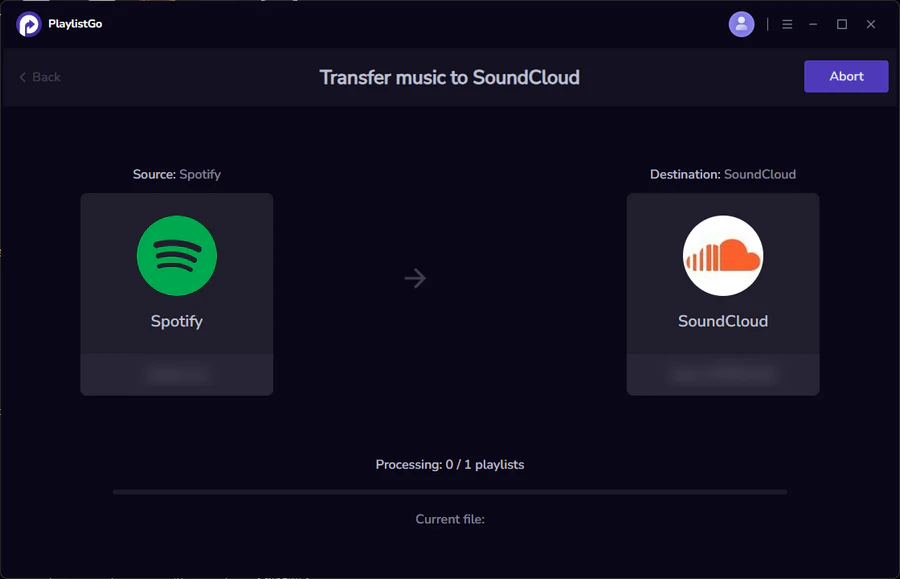
Lock-in has historically served as the primary retention strategy for streaming platforms. Once a listener curates dozens of playlists containing thousands of individual songs, the sheer time required to recreate that collection by hand discourages switching. Third-party transfer tools like SongShift and Soundiiz capitalized on this friction for years, charging monthly subscriptions of $4.99, $9.99 or limiting free transfers to batches of 100, 200 tracks per run. These external bridges required deep API permissions, suffered frequent connection drops, and broke whenever platform developers updated their underlying software interfaces.
Spotify's move brings those bridge-building tools directly inside its native interface. Users can import music from competitors directly through desktop and mobile apps without sharing account credentials with third-party software brokers. The interface analyzes external links, parses tracklists, and rebuilds the playlists inside the listener's library in minutes. Eliminating external fees removes a psychological and economic barrier that kept subscribers parked on competing platforms.
The strategy reflects a shift in streaming competition. With basic audio catalogs virtually standardized across major services at roughly 100 million licensed songs, platforms can no longer rely on exclusive commercial albums to win subscribers. Audience growth now depends on lowering friction for incoming switchers while improving overall Spotify library management.