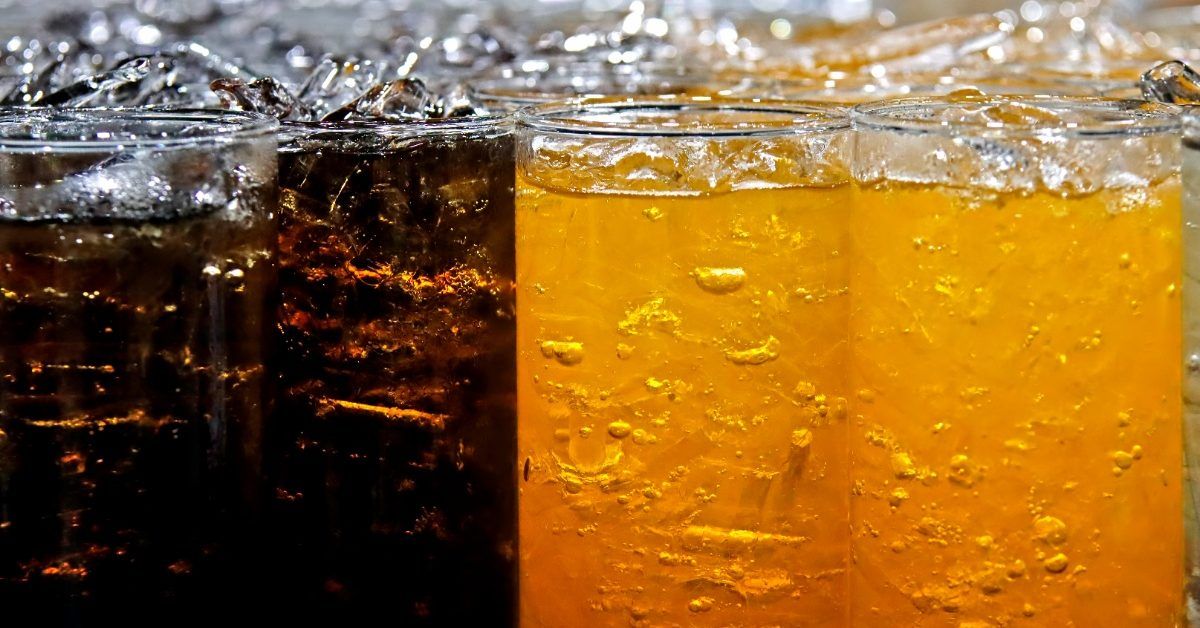
Consumers frequently treat carbonated water, club soda, and tonic water as interchangeable cocktail mixers. They are chemically distinct liquids with vastly different metabolic consequences.
Seltzer is the simplest format: filtered municipal or spring water carbonated with pressurized carbon dioxide gas. The dissolution creates carbonic acid, dropping the pH from neutral 7.0 down to an acidic 3.5 to 4.5. Club soda takes that baseline formulation and introduces added minerals such as potassium sulfate, sodium chloride, disodium phosphate, and sodium bicarbonate. Manufacturers add these salts to neutralize some acidity and replicate the crisp, mineral profile of natural European sparkling springs. A single can of club soda typically introduces between 50 and 75 milligrams of sodium into your system.
Tonic water belongs to an entirely different nutritional category. Originally formulated in colonial India as a delivery mechanism for medicinal quinine to ward off malaria, modern commercial tonic water functions like conventional soft drinks. To mask the intense, mouth-puckering bitterness of cinchona bark extract, beverage companies add high-fructose corn syrup or refined cane sugar. A standard 12-ounce serving delivers between 120 and 140 calories along with 32 to 36 grams of sugar, a reality that often surprises consumers who order a gin and tonic thinking they have chosen a low-carb alternative.