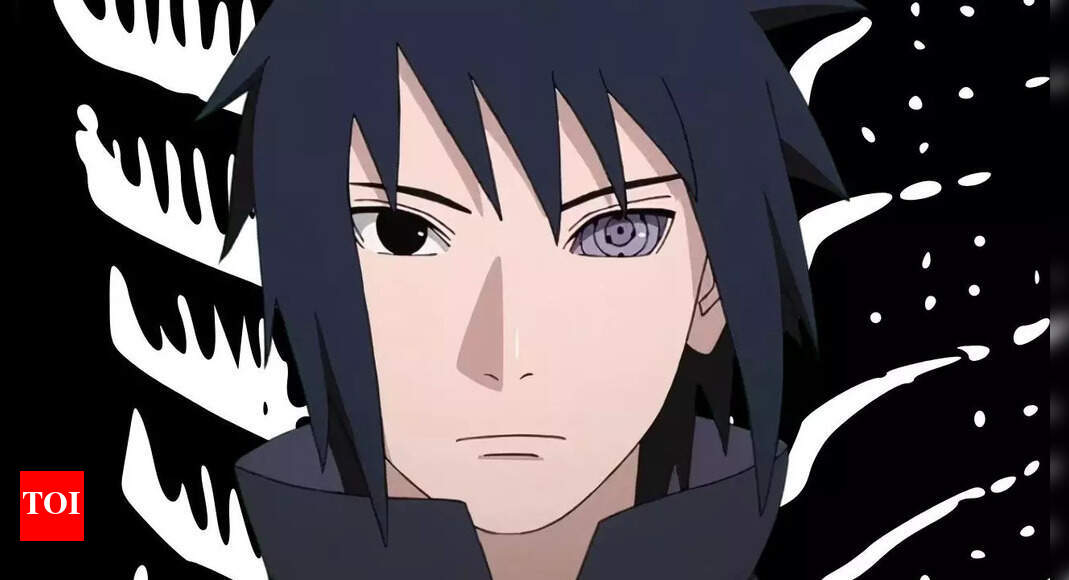
Sasuke Uchiha reshaped the modern archetype of the shonen deuteragonist. Before Shippuden, rival characters often served as temporary benchmarks for the main character to surpass, or as comic foils who quickly fell behind the power curve. Kishimoto rejected that framework. He gave Sasuke equal narrative priority, complete with distinct ideological motivations, dedicated subplots, and an independent cast of supporting characters.
Sasuke's journey was never a comfortable hero's rise. It was a harrowing, high-stakes exploration of systemic oppression, retaliatory violence, and unresolved trauma. Modern anime rivals, from Megumi Fushiguro in Jujutsu Kaisen to Katsuki Bakugo in My Hero Academia, carry elements of Sasuke's structural DNA. By framing Sasuke not as a cartoon villain, but as a wounded idealist broken by a corrupt status quo, Shippuden ensured that his arc remains one of the most thoroughly analyzed journeys in animated fiction.