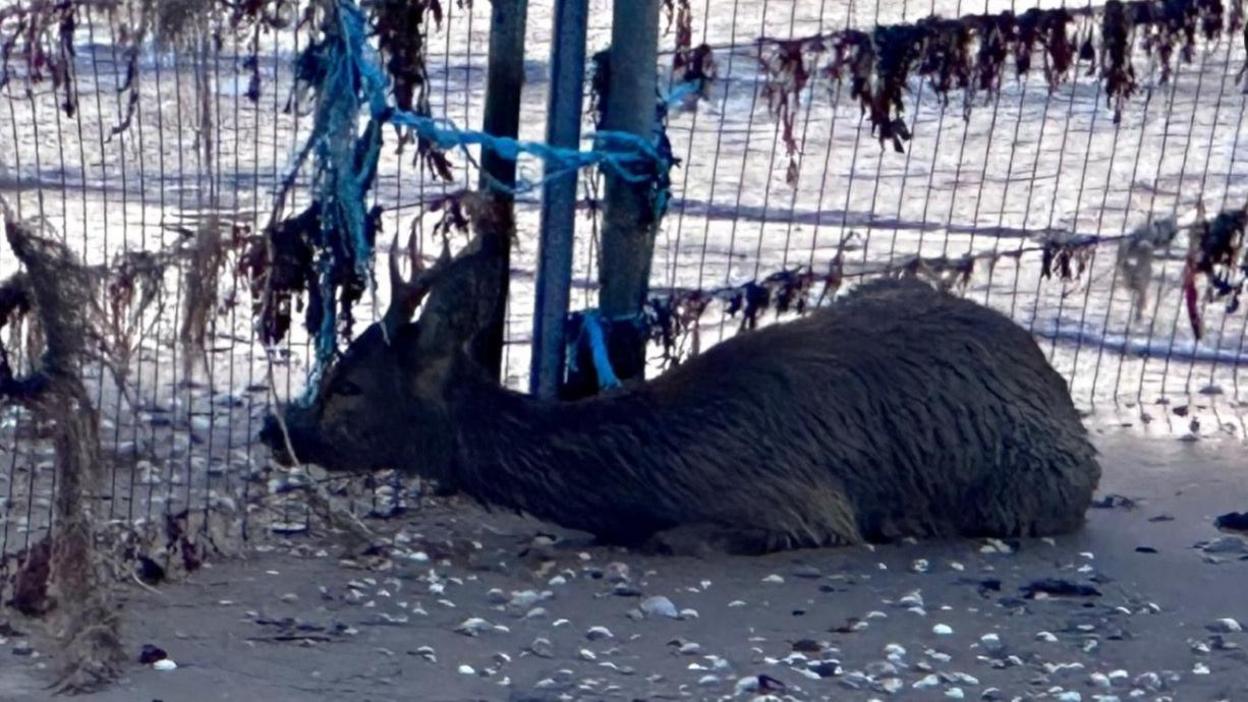
Q1: Was there an actual deer covered in motor oil during this trend?
A1: No documented wildlife rescue or state agency recovered an oil-soaked deer tied to this trend. The primary footage was identified as a blend of synthetic video and trail-camera captures of deer drenched in ordinary rainwater.
Q2: Why did the deer appear so dark and metallic on camera?
A2: Generative video software renders wet surfaces with exaggerated reflections, giving hair coats a mirrored, liquid look. Additionally, natural deer coats photographed under vehicle headlights or direct outdoor spotlights can appear unnaturally shiny when wet.
Q3: How can you tell real wildlife emergencies from viral synthetic clips?
A3: Look for visual artifacts around the animal's extremities, such as unnatural antler warping, lack of ear movements, and hooves floating above soil. Always check whether the poster provides a verifiable date, time, and specific location rather than a vague headline designed to harvest views.
Q4: What should you do if you encounter a genuinely oiled wild animal?
A4: Do not attempt to approach or wash the animal yourself. Contact your state wildlife management agency, department of natural resources, or a licensed wildlife rehabilitation facility. Professional containment and specialized detergents are required to prevent fatal hypothermia and chemical absorption.