
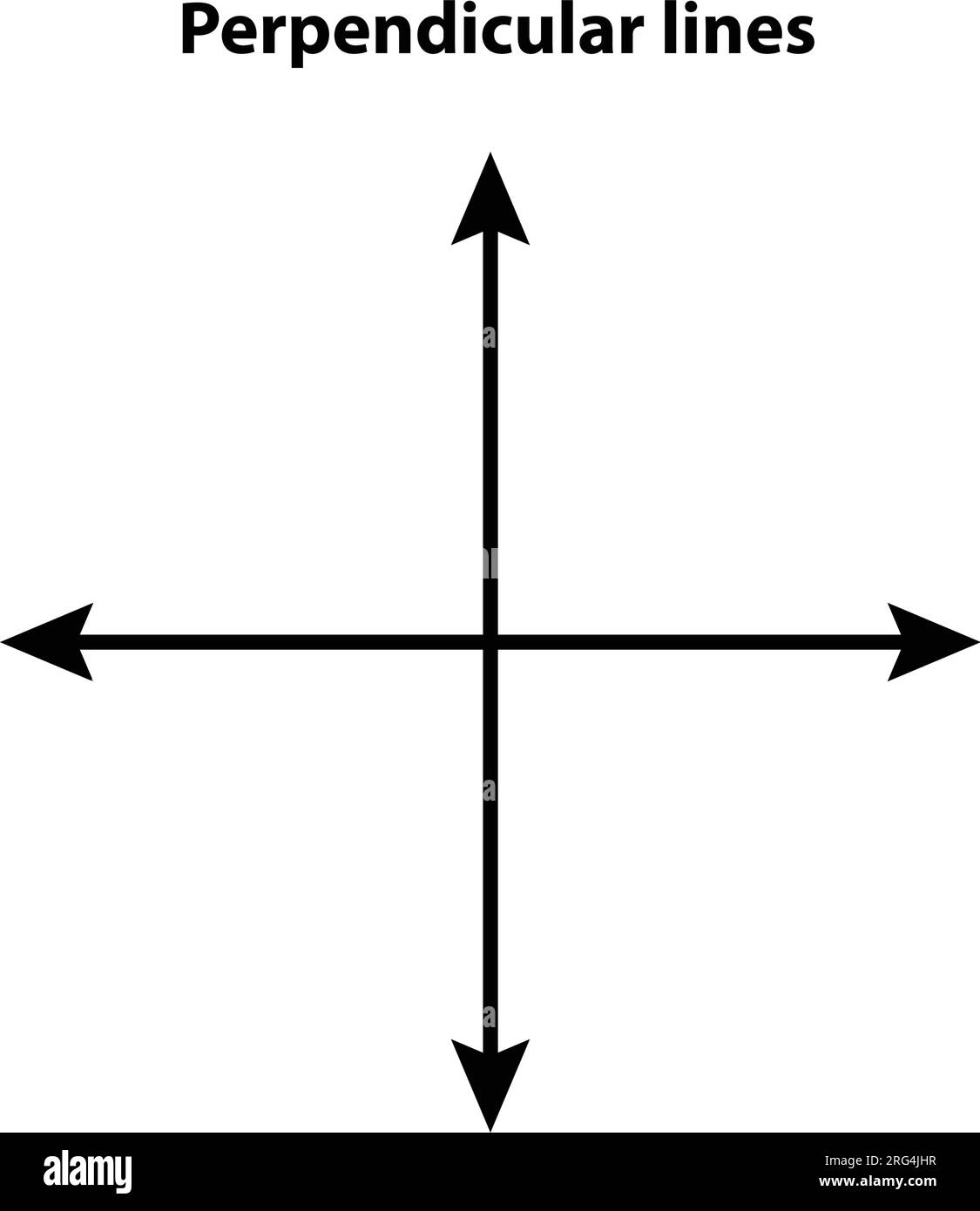
Q1: How can you confirm two lines are perpendicular without graphing them?
A1: Convert both equations into slope-intercept form (*y = mx + b*) to isolate their slopes. Multiply the two slope values together. If their product equals *-1*, the lines are strictly perpendicular. If the product equals any other number, they are not orthogonal.
Q2: Why is the perpendicular slope a negative reciprocal instead of just the negative?
A2: Changing only the sign simply reflects the line across the horizontal axis without accounting for rotation. Inverting the ratio swaps the horizontal and vertical rates of change, ensuring the new line rotates a full 90 degrees rather than merely tilting in the opposite direction.
Q3: How do you find the perpendicular line to a vertical boundary like x = 4?
A3: Vertical lines have an undefined slope, meaning the standard negative reciprocal formula cannot be used. Any line perpendicular to a vertical line *x = k* must be a horizontal line expressed as *y = c*, where *c* is the desired vertical intercept.


