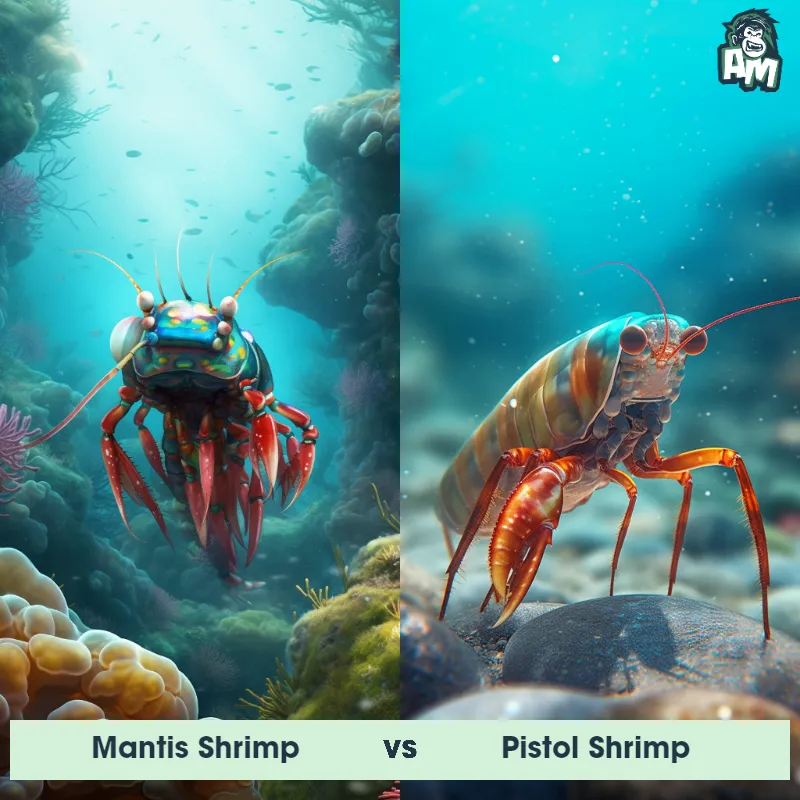
Delivering high-velocity strikes creates a tough biomechanical challenge: Newton’s third law. If a mantis shrimp strikes a rock with 1,500 newtons of force, its appendage must absorb an equal and opposite counter-force. Typical engineering ceramics fracture under these conditions through shockwave reflection and localized shear strain.
Research reveals that the mantis shrimp dactyl club relies on a multi-tier composite structure. The club features three functional regions:
- The Impact Surface: A dense outer crust composed of crystalline hydroxyapatite, the same mineral that strengthens human bone and teeth, organized in vertical crystallites that resist local compression.
- The Periodic Region: A middle shock-absorbing zone made of stacked chitin-protein fibers arranged in a Bouligand pattern (a helicoidal architecture). Each layer sits slightly offset from the one below it. As micro-cracks form during impact, this helical pattern forces them to twist and dissipate horizontally instead of splitting the club open.
- The Striated Boundary: Lateral bands of tightly wrapped circumferential fibers that clamp the structure together, keeping the internal layers from expanding outward during compression.
CROSS-SECTION: MANTIS SHRIMP DACTYL CLUB
┌────────────────────────────────────────────────────────┐
│ Impact Zone: Crystalline Hydroxyapatite (Ultra-Dense) │
├────────────────────────────────────────────────────────┤
│ Periodic Zone: Chitin Bouligand Helix (Dissipates) │
│ ───────► Layer 0° │
│ ─────────────► Layer 45° │
│ ───────────────────► Layer 90° │
├────────────────────────────────────────────────────────┤
│ Striated Band: Circumferential Reinforcement Wrap │
└────────────────────────────────────────────────────────┘
The pistol shrimp faces a different mechanical hurdle. Rather than absorbing a blunt collision against an external shell, its snapping claw must survive internal impact when the plunger slams shut at 30 meters per second.
High-resolution micro-CT scans show that the pistol shrimp's propodal socket contains elastic sclerotized torque hinges and soft, water-filled micro-cushions. As the plunger finishes its swing, excess kinetic energy vents into the surrounding fluid via secondary micro-cavitation channels, protecting the joint. The animal avoids self-inflicted damage by turning kinetic shock into acoustic energy, dispersing destructive loads straight into the open water.