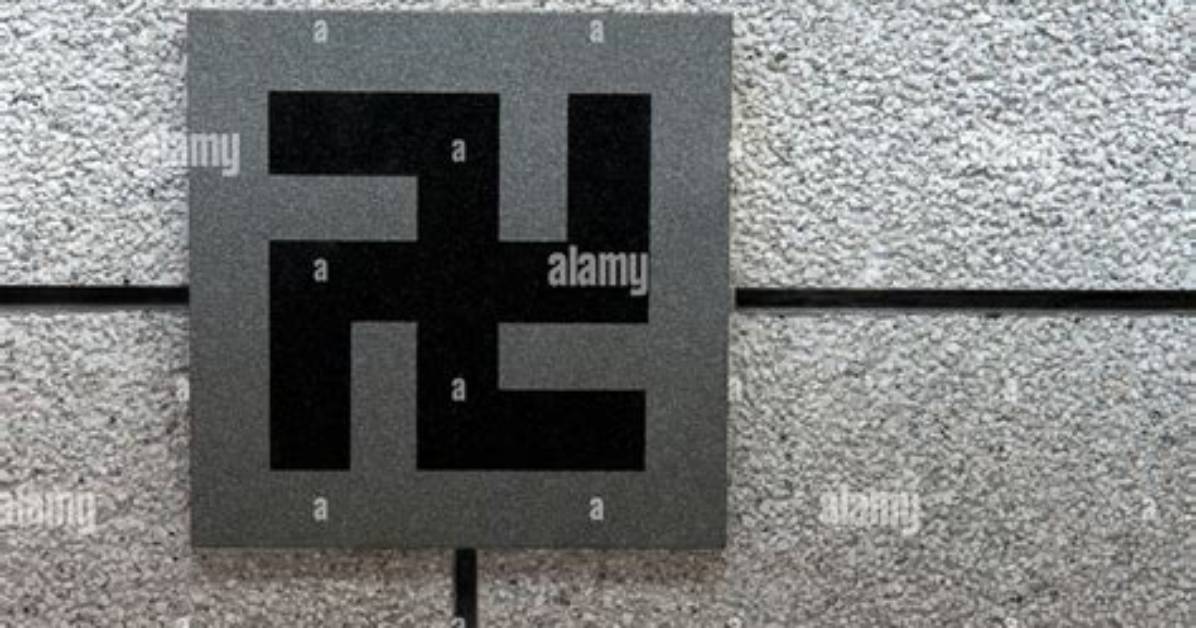
Q1: Is copying the Buddhist Manji (卍) illegal in Germany or Australia?
A1: German and Australian statutes explicitly criminalize the Nazi Hakenkreuz rather than authentic religious emblems of Hinduism, Buddhism, or Jainism. However, context is paramount under the law. Displaying the character online without clear cultural or religious attribution can trigger police scrutiny or automated regional geolocation blocks by web platforms attempting to avoid regulatory friction.
Q2: Why do some keyboards have a shortcut for 卍 while others do not?
A2: Devices running Japanese or Chinese input method editors (IMEs) generate the character natively. Typing the word manji in a Japanese IME or wan in a Simplified Chinese IME instantly presents 卍 in the candidate selection list. Western QWERTY layouts lack native shortcuts because the character belongs exclusively to the CJK Unified Ideographs block rather than Western Latin typographic sets.
Q3: Does the direction of the arms change the meaning of the symbol?
A3: Yes. In East Asian Buddhist practice, the left-facing variant (卍, omote-manji) represents infinite compassion and peace, while the right-facing variant (卐, ura-manji) represents intellect and strength. In Hinduism, the right-facing design represents the sun and the god Vishnu, while the left-facing sauwastika corresponds to night and esoteric rituals. Neither variant historically denoted racial hierarchy or political violence.