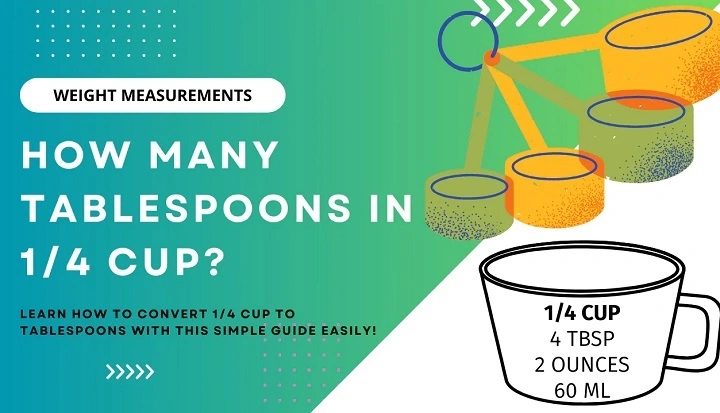
When cooking without a cup measure, tablespoons serve as the primary backup. There are exactly 4 tablespoons in a quarter cup. Remembering this benchmark simplifies conversions instantly: if a dressing requires 1/4 cup of olive oil, four level tablespoons deliver the identical quantity.
Converting fluid ounces to cups introduces a subtle linguistic pitfall. Fluid ounces evaluate liquid volume; dry ounces evaluate weight. A liquid cup equals 8 fluid ounces. Yet eight ounces of dry spinach would fill an entire salad spinner, while eight ounces of honey barely fills half a measuring cup. Keeping volumetric fluid ounces separate from net weight prevents culinary disasters.
International formulas present another hidden trap: metric cup equivalents are not uniform worldwide. In the United States, a customary cup is 236.6 ml, though the FDA nutrition labeling standard rounds this to 240 ml. Australia, New Zealand, and the United Kingdom define a metric cup as 250 ml. Using a 250 ml Australian cup to follow a sensitive American butter-to-flour ratio adds an extra 13.4 ml per cup, enough to turn crisp sablé cookies into a flat, greasy puddle.