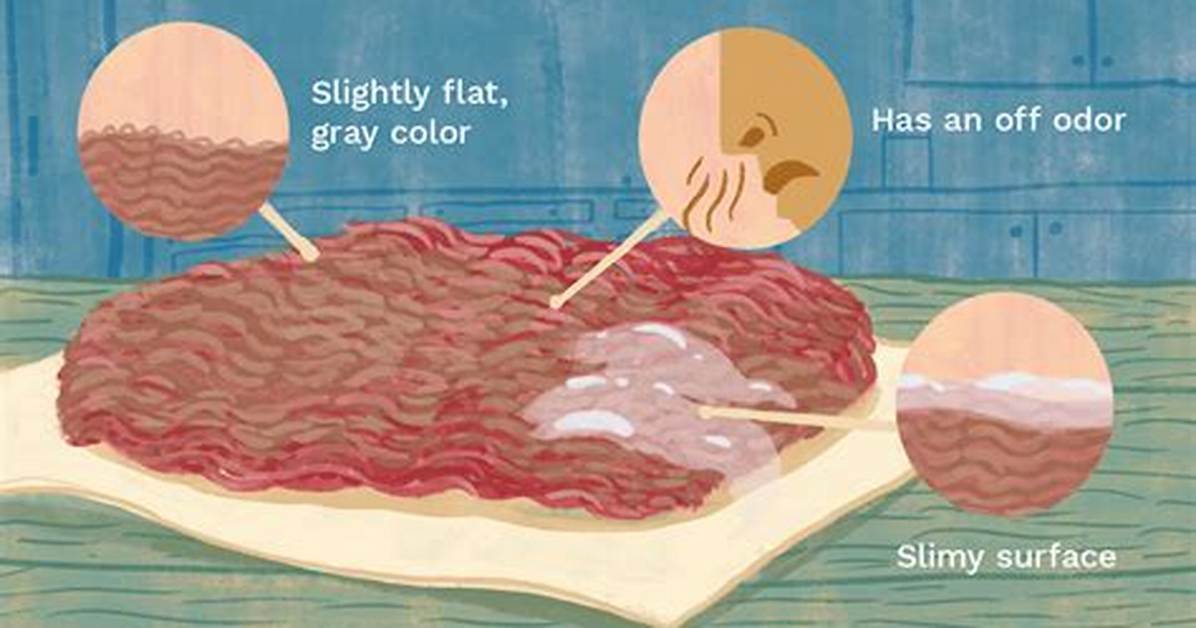
Navigating ground beef quality comes down to trusting verifiable tactile feedback over superficial color shifts. Supermarket display cases train shoppers to expect an unbroken expanse of bright red meat, yet nature rarely behaves with uniform aesthetics. Natural deoxymyoglobin oxidation inside compacted beef is an ordinary biochemical reaction that costs budget-conscious households thousands of dollars in discarded, perfectly edible meals each year.
Protect your household by separating harmless pigment shifts from true putrefaction. Keep refrigerator temperatures monitored below 38°F, honor the strict 48-hour raw storage window, and use tactile and olfactory cues as your ultimate guide. If the texture is firm and the scent is clean, that dull gray interior is simply waiting for oxygen and heat to do their work. If the package smells sour or feels slick to the touch, no cooking method will save it from the trash.