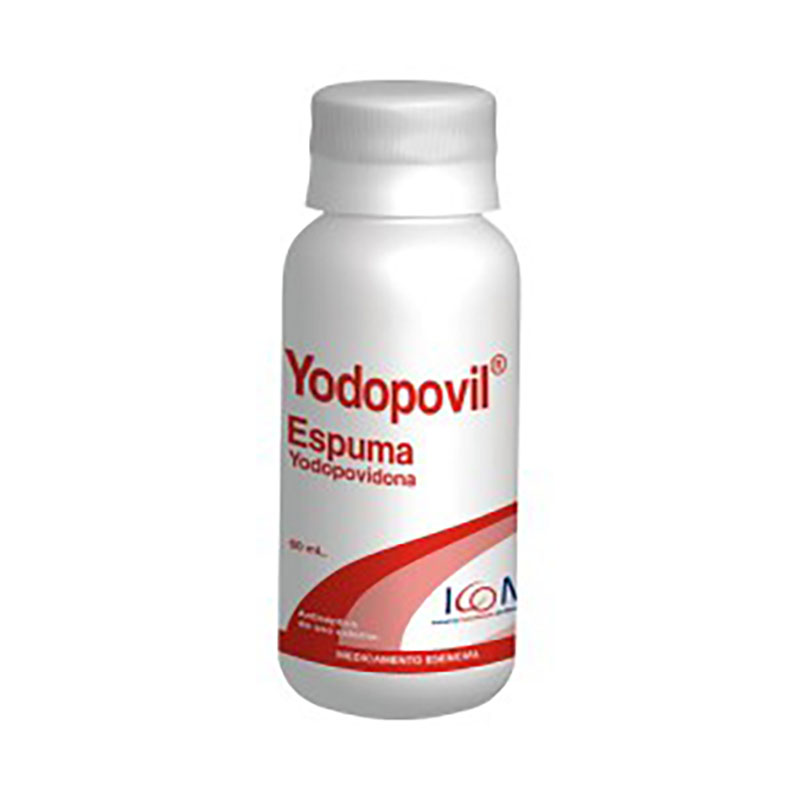
Intact adult skin creates an effective barrier against systemic chemical absorption. Mucous membranes do not. Applying Yodopovil to vaginal walls, oral cavities, rectal tissues, or extensive burn surfaces drives elemental iodine straight into the bloodstream via capillary networks.
The human thyroid gland regulates metabolism using trace amounts of nutritional iodide, usually 150 micrograms daily. An uncontrolled surge of free iodine absorbed through damaged tissue can trigger acute metabolic dysfunction. In healthy individuals, the thyroid protects itself via the Wolff-Chaikoff effect, temporarily shutting down thyroid hormone synthesis to prevent toxic buildup. In vulnerable individuals, this autoregulatory shutdown fails to reset, precipitating clinical hypothyroidism.
Conversely, patients with underlying subclinical toxic nodular goiter or Graves' disease risk iodine-induced hyperthyroidism, known as the Jod-Basedow phenomenon. Hospital intensive care units have documented metabolic acidosis, renal failure, and severe thyroid storms following aggressive iodine packing in open pelvic wounds or burns covering more than 20% of total body surface area. The substance is also strictly restricted in neonates and nursing mothers, as absorbed iodine concentrates in breast milk and readily crosses the immature infant skin barrier, risking permanent developmental thyroid suppression.