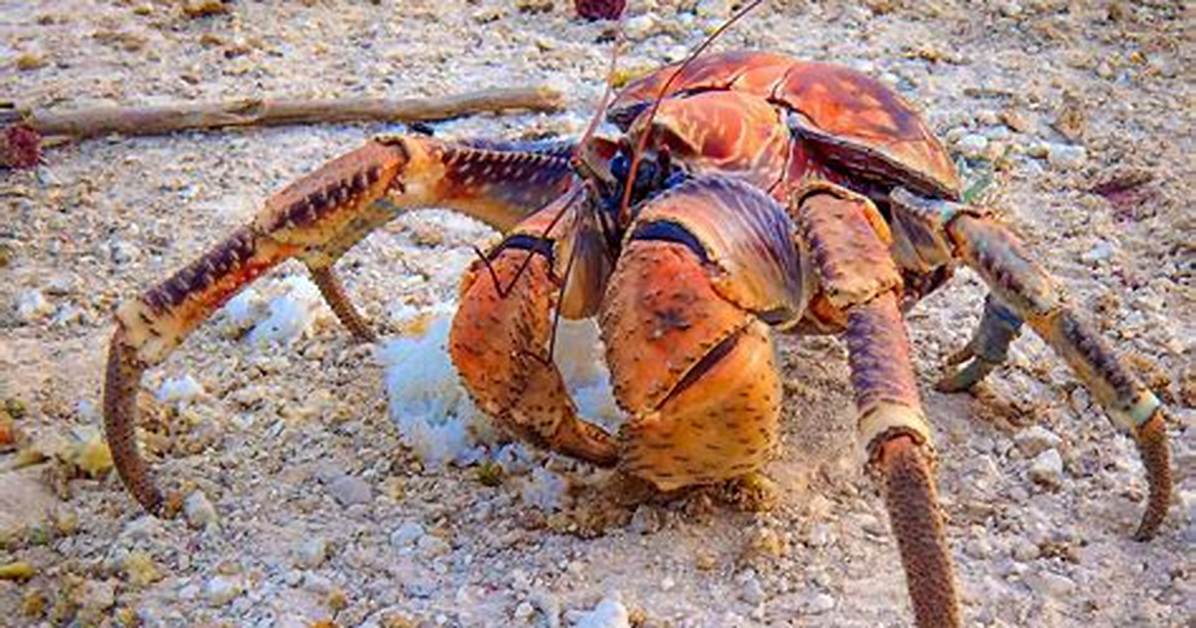
The central danger of eating coconut crabs lies in their indiscriminate appetites. As opportunistic omnivores, they sweep jungle floors for fruit, carrion, and fallen seeds. In coastal tropical zones, that diet frequently intersects with Cerbera manghas, commonly known as the sea mango or suicide tree.
The sea mango produces cerberin, a potent cardenolide similar to digitalis. The chemical disrupts the sodium-potassium pump inside human heart muscle cells. While coconut crabs possess biological tolerance to these toxic plants, they do not neutralize the poison. Instead, lethal glycosides accumulate directly within the crab’s hepatopancreas and abdominal tissues.
Ingesting a contaminated crab produces severe food poisoning symptoms within two to four hours. Initial distress presents as intense nausea, persistent vomiting, abdominal cramps, and watery diarrhea. As cardiac glycosides enter the bloodstream, heart rhythm destabilizes. Patients experience extreme bradycardia, ventricular arrhythmias, and, in severe cases, fatal cardiac arrest. Medical teams treating secondary cardiotoxicity from wild crustacean consumption must rely on intensive supportive care and digoxin-specific antibody fragments, as standard cooking temperatures do not degrade cerberin molecules.