The vocal execution on the night of the Ballantyne recording explains much of the video's long tail on social media. Lake does not sing with sterile perfection. His voice carries grit, rasp, and immediate emotional urgency. Starting in a warm, relaxed lower register around B2, he delivers the opening verses like a front-porch storyteller. As the song climbs toward its bridge, he shifts gears into a blistering mixed belt, sustaining chest-dominant B4 notes that push his vocal cords right to the edge of breakup.
That vocal tension creates an undeniable physical charge. Vocal coaches and music analysts on YouTube regularly dissect the performance, marveling at Lake’s ability to maintain pitch accuracy while applying aggressive vocal distortion without blowing out his voice. Chris Brown’s clean, locked-in harmonies act as a stabilizer beneath Lake’s fiery, improvisational ad-libs, giving the chorus an expansive sonic weight.
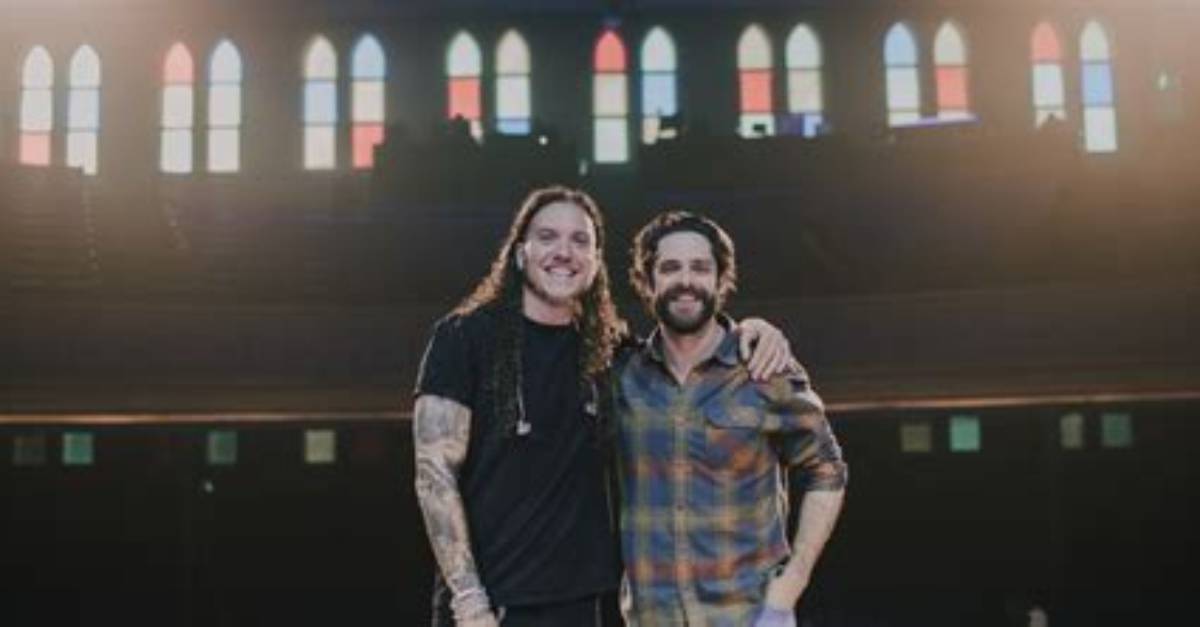
The live video captures visual authenticity that cannot be faked in an audio booth. Lake paces the stage in a denim jacket, veins bulging at his neck, eyes squeezed shut. The room of several thousand congregants responds not as spectators, but as an auxiliary choir. That kinetic feedback loop gives the recording an electricity that clean studio tracks struggle to replicate.