Running generates ground reaction forces roughly 2.5 to 3 times your body weight with every single stride. When your quadriceps, hamstrings, and calves are cold, their resting viscoelastic tension remains high. That stiffness pulls the kneecap tight against the femur, grinding cartilage instead of gliding smoothly through its natural track.
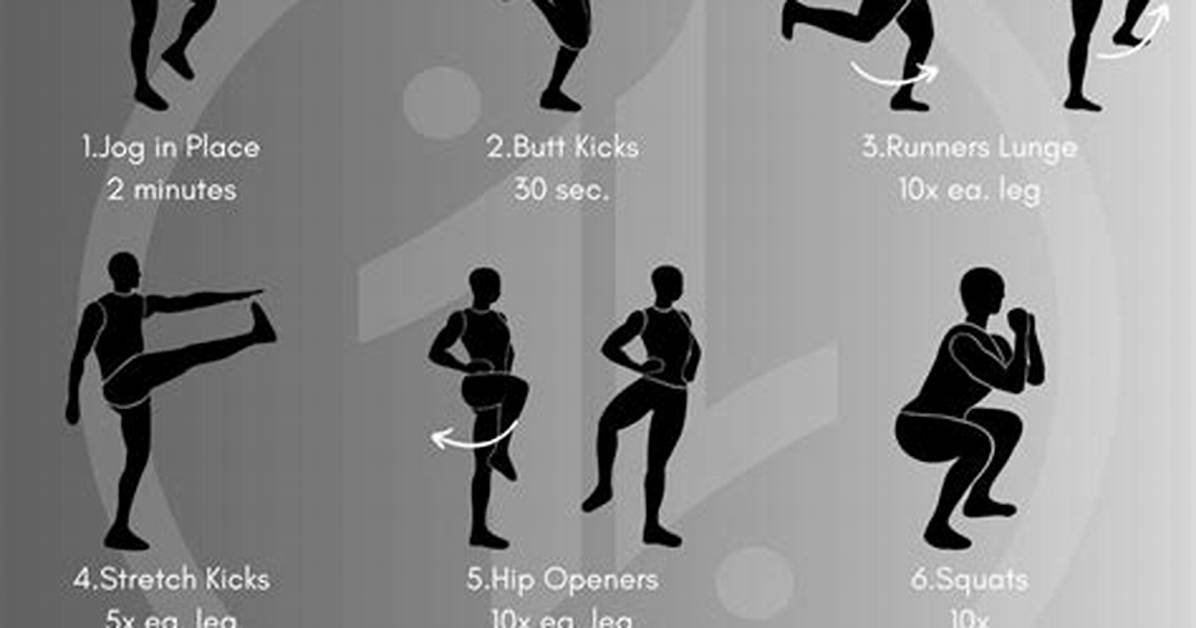
Joints do not possess their own direct blood supply. Cartilage receives lubrication and nutrition through synovial fluid, which stays thick and viscous at rest. Fluid thinning requires physical movement. Gentle, controlled ranges of motion distribute synovial fluid across the joint capsule, creating a hydraulic cushion that absorbs repetitive impact. Skipping this step turns normal road miles into direct mechanical wear.
Kinetic chain compensation quickly compounds the problem. When the nervous system detects stiffness in surrounding tissues, it alters your gait to find the path of least resistance. Overstriding creeps in, cadence drops, and the patellar tendon absorbs braking forces meant for the posterior chain.