
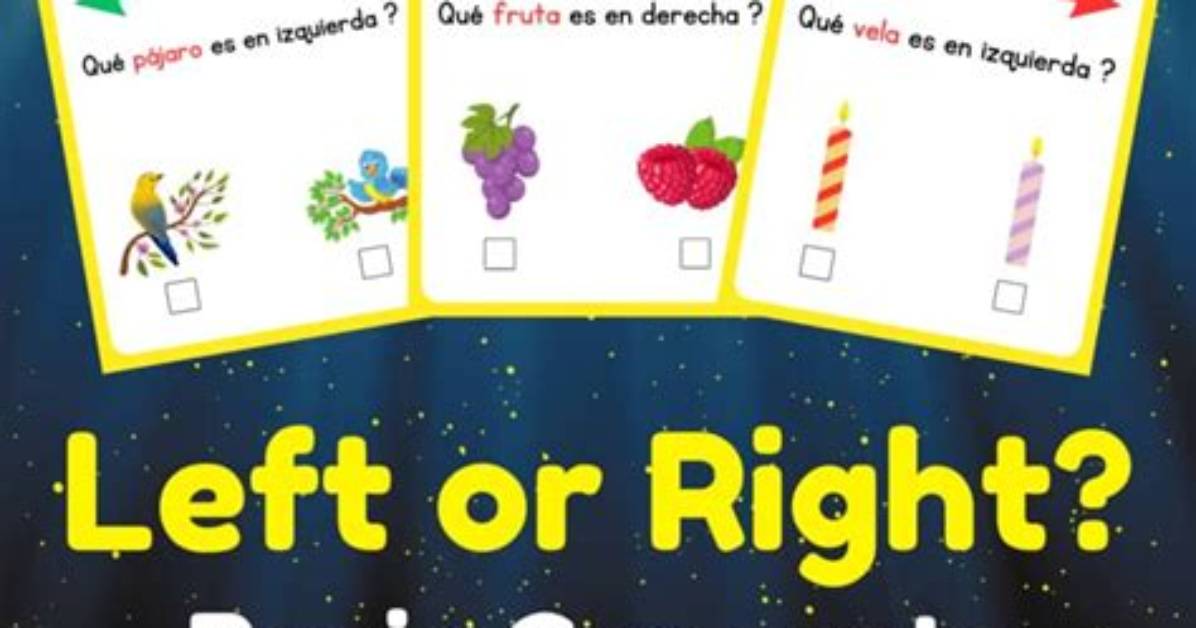
Q1: What is the difference between "derecho" and "derecha"?
A1: Derecho (used as an adverb) means straight ahead (e.g., "Sigue derecho", keep going straight). Derecha (feminine noun) means the right-hand direction (e.g., "Gira a la derecha", turn right). Confusing these two is the most common cause of navigation mishaps among Spanish learners.
Q2: Why do people in Mexico say "dar vuelta" instead of "girar"?
A2: Regional usage dictates verb selection. While girar is understood throughout the Spanish-speaking world, everyday conversational Mexican Spanish favors dar vuelta or doblar. Girar sounds clinical or literary to many North and Central American speakers.
Q3: How do I say "I have no money left" in Spanish?
A3: Use the verb quedar with an indirect object pronoun: "No me queda dinero." Do not use dejar or izquierda in this context, as quedar specifically handles remaining balances and resources.
Q4: Is "zurdo" offensive in Spanish?
A4: No. Zurdo is the neutral, standard medical and conversational term for left-handed. Unlike historical English terms that carried negative baggage, zurdo is used proudly without derogatory implications, though colloquial political debates sometimes use it casually to describe leftists.
Q5: Can I say "salir a la izquierda" when driving?
A5: Yes, specifically when referencing highway ramps or designated exits: "Toma la salida a la izquierda" means "Take the exit on the left."


