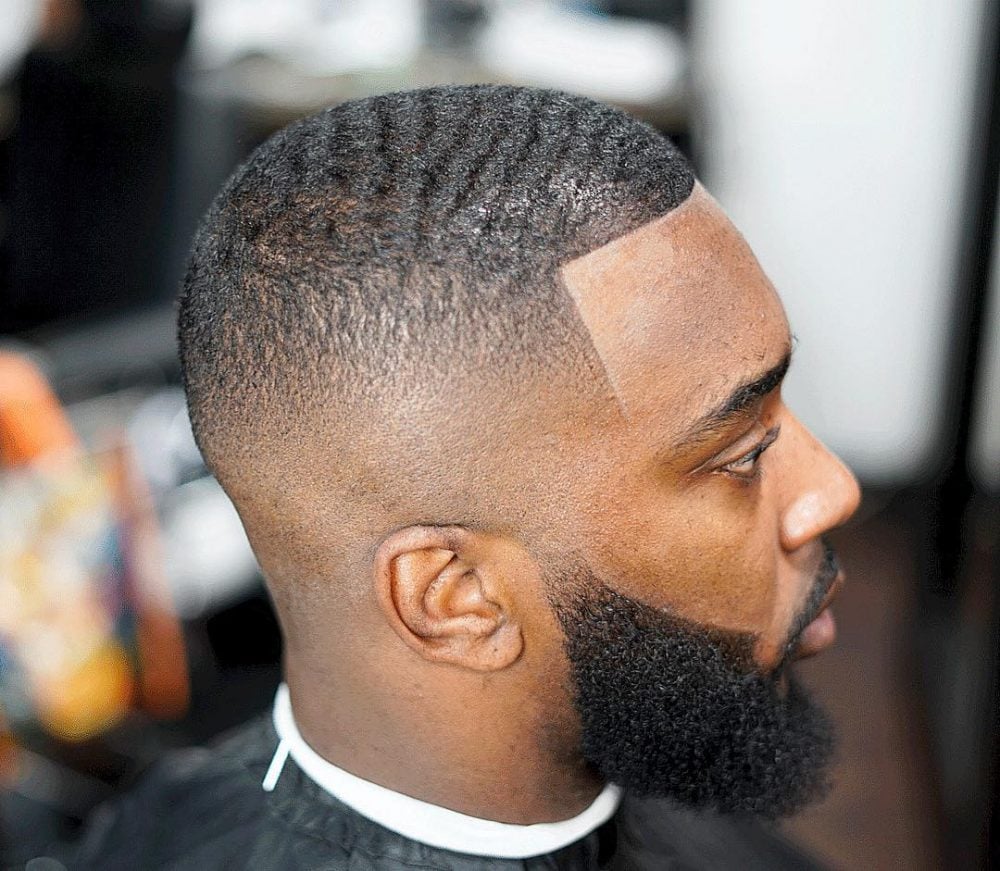
Before drawing a single seam, establish the underlying skull. The human cranium functions fundamentally as a modified sphere flattened slightly at the temples. A cap does not replace the skull; it rests directly on top of the head's mass, adding approximately 3 to 5 millimeters of fabric offset around the cranial perimeter.
Begin with pencil sketching basics. Sketch a clean sphere and drop a vertical center line down the front to determine the direction the head faces. Draw a horizontal brow line circling the equator. The lower edge of the cap, the sweatband ring, sits roughly one finger-width above the eyebrows, cutting horizontally across the forehead, angling slightly downward past the temples, and gripping the back of the head just above the occipital bone. If the headband is drawn as a straight, level line across a tilted head, the cap instantly loses its dimensionality. Treat that baseline as a curved cross-contour ellipse that wraps around the head volume.
Pay close attention to ear placement. The temporal cutouts of a standard six-panel cap arch cleanly over the ears. Drawing the cap's base cutting straight through the ear cartilage breaks anatomical believability immediately. Carve out a distinct notch on both sides of your preliminary sketch to anchor the cap firmly to the skull.