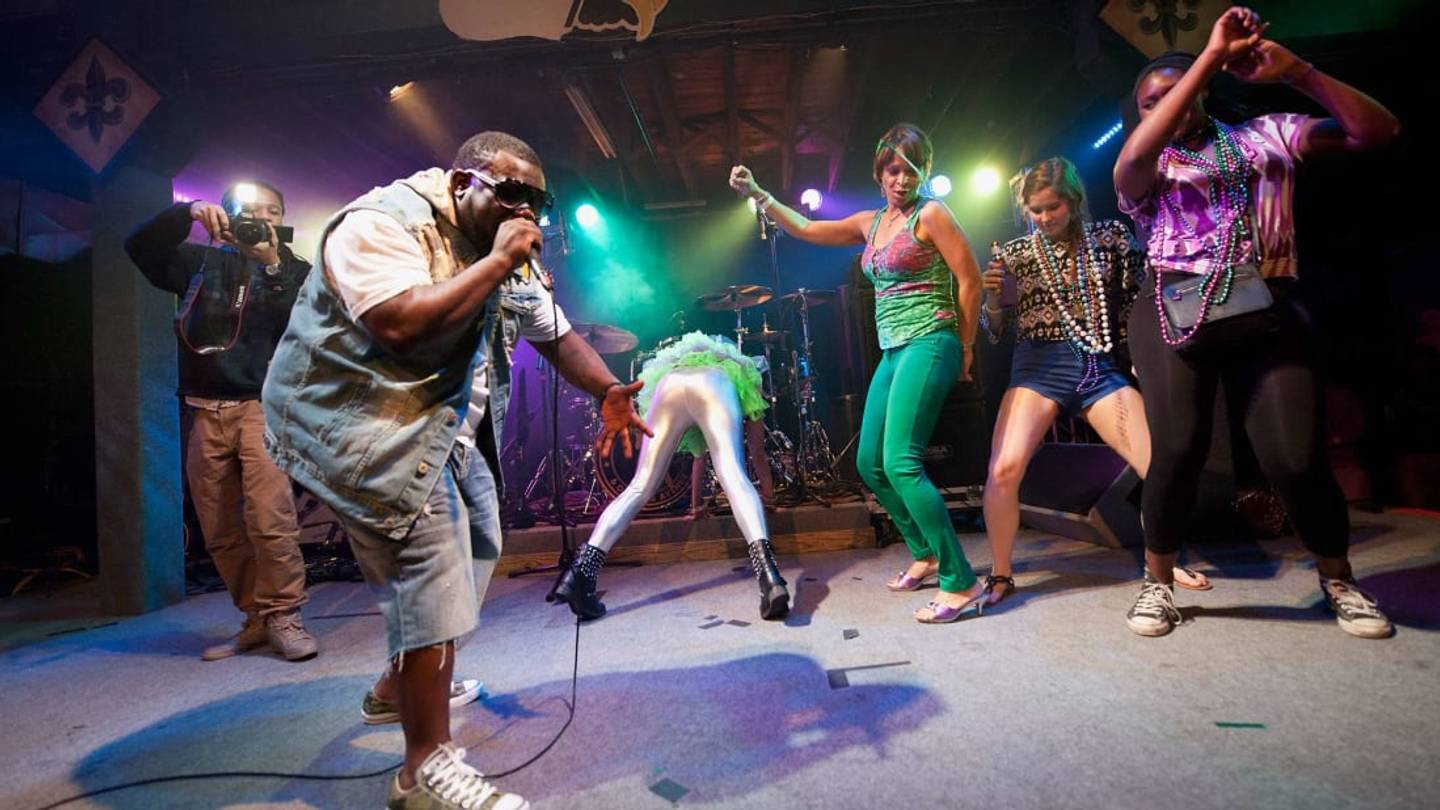
Q1: What is the linguistic origin of the word "twerk"?
A1: The term is widely recognized as a portmanteau of "twist" and "jerk". While street slang in New Orleans used variations of the phrase in the late 1980s, its earliest recorded commercial appearance in music occurred on DJ Jubilee's 1993 track "Do The Jubilee All". Oxford Dictionaries officially recognized the term in 2013, noting its historical lineage in Southern bounce scenes.
Q2: How does West African Mapouka differ from modern twerking?
A2: Mapouka is an ancestral social and ceremonial dance from the Akyé people of Côte d'Ivoire, traditionally performed during rites of passage and community celebrations. While both styles rely on rapid pelvic isolations and hip contractions, modern twerking hybridized these movements with American hip-hop choreography, urban street cyphers, and New Orleans bounce tempos.
Q3: Why was the 2013 mainstreaming of twerking controversial?
A3: The controversy centered on cultural appropriation and racial double standards. Mainstream media credited white pop performers with discovering or inventing a dance that Black women had practiced for decades. While Black originators were historically marginalized or labeled hypersexual for doing the dance, non-Black performers gained major commercial and promotional success by adopting the movement.