The push to dismantle Northern Rhodesia gathered momentum after the Second World War. British colonial authorities attempted to preserve white supremacy by merging Northern Rhodesia, Southern Rhodesia, and Nyasaland (now Malawi) into the Federation of Rhodesia and Nyasaland in 1953. African labor unions and political leaders violently rejected the scheme, recognizing it as an effort to bind the region's mineral wealth to the white settler parliament in Salisbury.
Kenneth Kaunda emerged at the helm of the United National Independence Party (UNIP). Mobilizing copper miners and urban workers in Lusaka, Kaunda deployed strikes, civil disobedience, and intense diplomatic pressure in London. The Federation collapsed under the weight of widespread civil unrest in 1963.
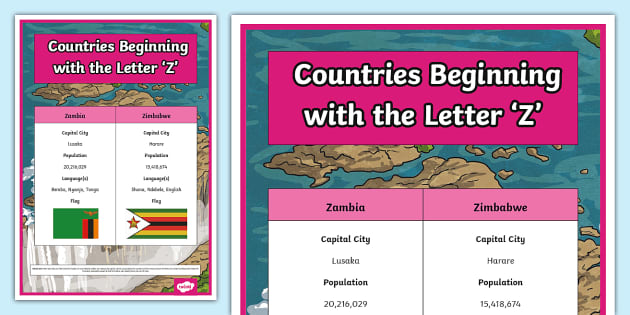
On October 24, 1964, Northern Rhodesia achieved formal independence as the Republic of Zambia. Kaunda chose the name to honor the Zambezi River, meaning "River of God" or "Great River" in local languages. Independence required massive administrative adjustments. Lusaka became the sovereign capital of a country that held the world's fourth-largest copper reserves, yet possessed fewer than 100 university graduates at the moment the Union Jack fell. Kaunda inherited an economy designed solely for extraction, with its primary rail access running through hostile, white-ruled territories to the south.