Q1: Why are cable-stayed bridges replacing traditional suspension bridges in modern projects?
A1: Cable-stayed bridges eliminate the need for massive, expensive shoreline anchor blocks because their cables tie directly to the roadway deck and central towers. They provide higher stiffness for medium-to-long spans (between 600 and 3,300 feet), demand less raw material, and cost significantly less to inspect and maintain over decades of heavy service.
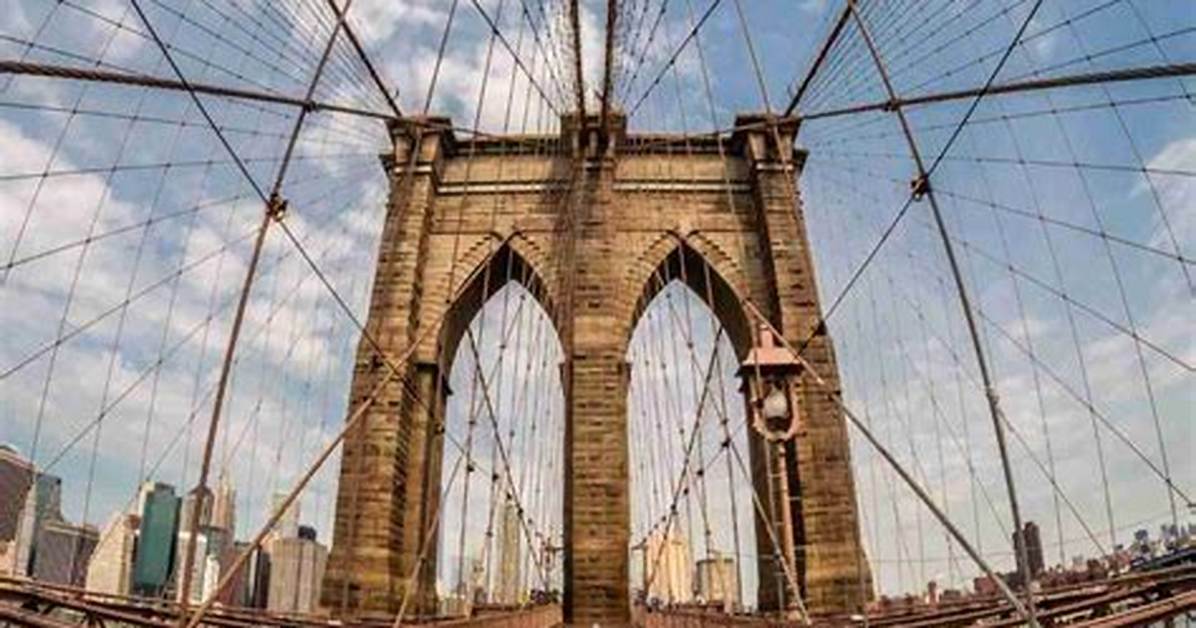
Q2: Why didn't the Brooklyn Bridge collapse from the same wind forces that destroyed the Tacoma Narrows Bridge?
A2: John Roebling designed the Brooklyn Bridge with a heavy, open stiffening truss and diagonal stay cables radiating from the masonry towers down to the roadway deck. This dense network made the bridge heavy and torsionally rigid. The Tacoma Narrows Bridge, by contrast, used a solid plate girder deck that trapped wind, turning the structure into an unstable aerodynamic wing that twisted itself apart.
Q3: How do major maritime spans prevent their steel cables from rusting from the inside out?
A3: Modern long-span structures, such as the Akashi Kaikyo Bridge, seal their main cables inside airtight protective wrapping and pump low-humidity dry air directly through the interior wire strands around the clock. By keeping relative humidity inside the cable bundle below 40 percent, engineers halt the electrochemical oxidation process, avoiding the multi-million-dollar replacement projects that older twentieth-century spans frequently require.