Stopping these exploits before they reach end users has forced constant revisions to the platform's Trust and Safety architecture. The initial defense line occurs on upload servers through Unity asset validation. Automated SDK scanners check uploaded asset bundles for banned components, unauthorized scripts, or malformed data headers before distributing them across global content delivery networks.
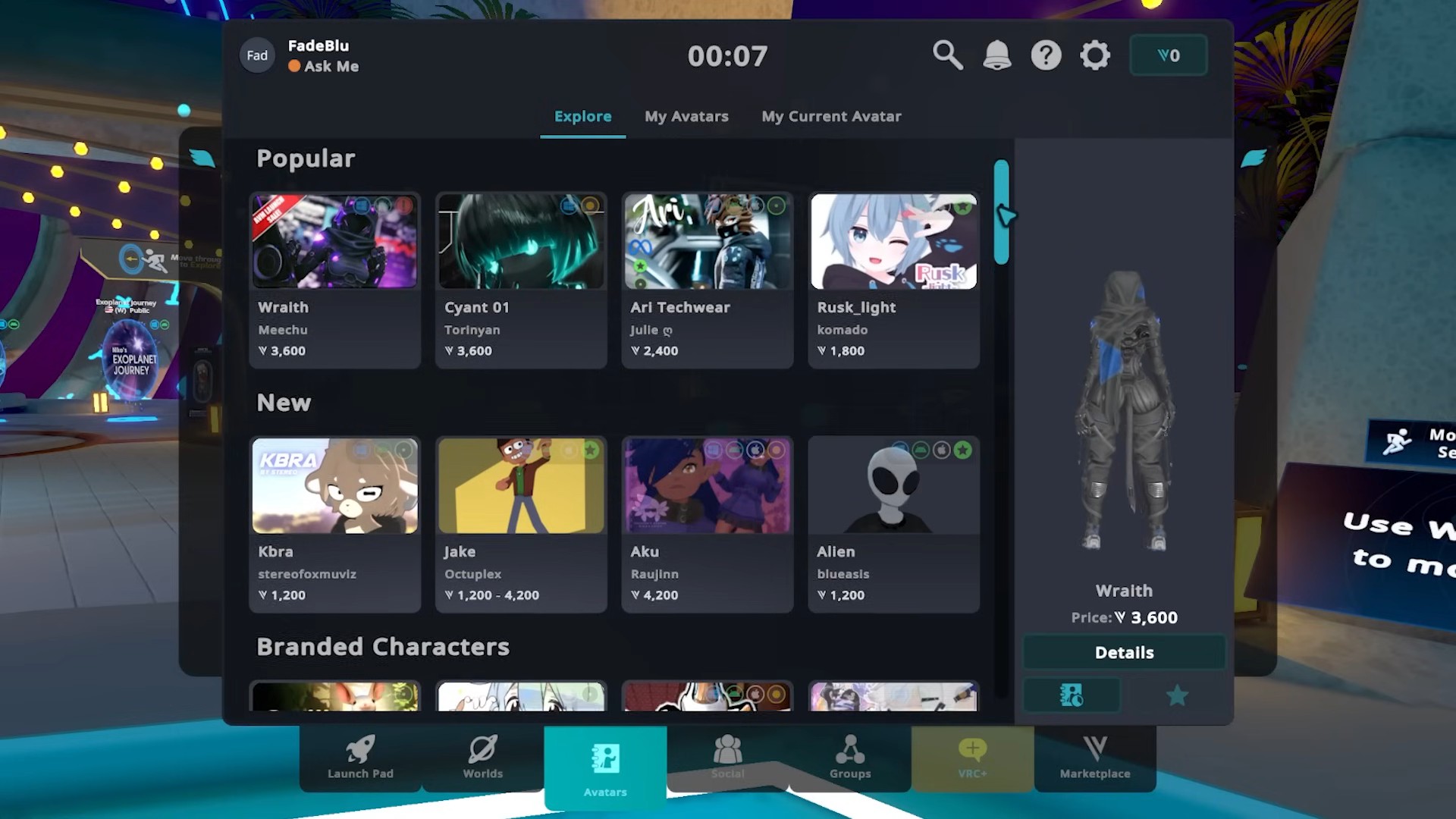
In May 2025, Japanese gaming outlet 4Gamer reported that the platform took a major structural step by formally announcing its native, in-client Avatar Marketplace. By building a verified commercial pipeline for avatar transactions directly inside the platform ecosystem rather than routing users through unvetted third-party file repositories like Gumroad or Booth, the engineering team expanded its regulatory oversight. Marketplace models must pass strict performance profiling, clear automated checks against asset validation suites, and adhere to rigid polygonal ceilings before they are eligible for verified sale.
Independent creators face structural constraints as well. The internal Avatar Performance Ranking ranks models on a scale from "Excellent" to "Very Poor," factoring in dynamic bone transforms, active lights, mesh colliders, and total draw calls. These automated guardrails make it significantly harder for malicious models to slip through unnoticed under standard platform operations.