
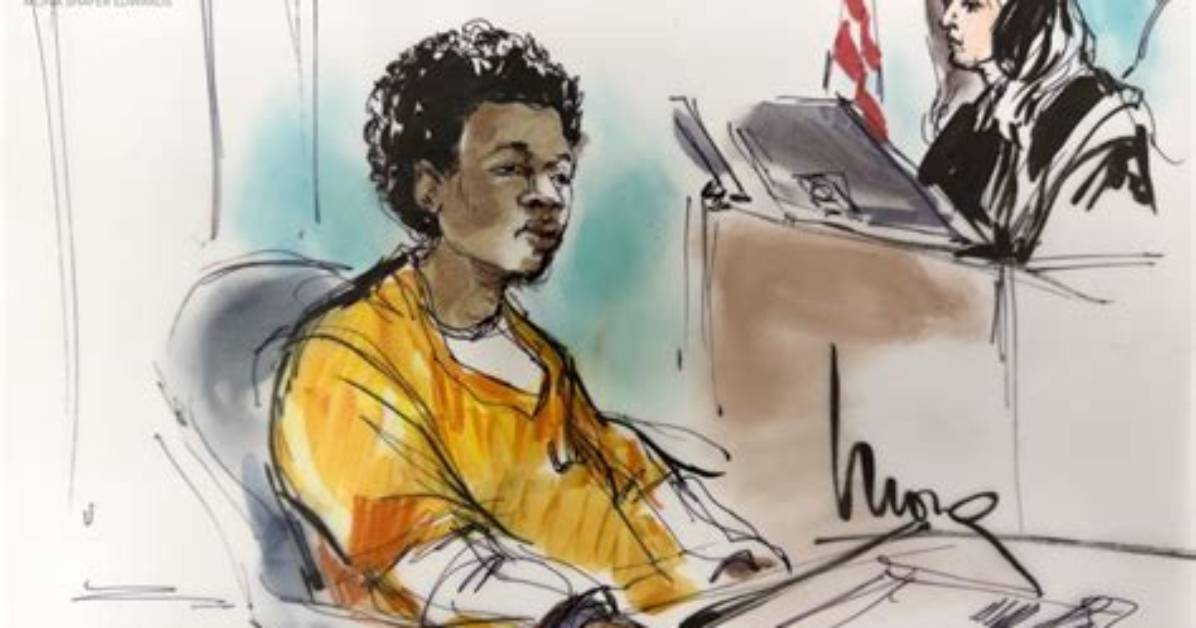
The viral path of the Celeste artwork reveals how fragile digital media literacy remains when confronting visual genres that audiences associate with traditional authority. When readers see a courtroom sketch, they assume an underlying legal infrastructure: a judge, a jury, an indictment, and certified counsel. Satirists and engagement-driven accounts exploit this cognitive shortcut.
Major news organizations rely on strict media verification standards before licensing or running courtroom illustrations:
- Chain of Custody: Editors demand to know the illustrator's physical location, verifying that the artist was physically present in the gallery during the hearing.
- Transcript Alignment: The moments depicted, such as an objection, a defendant crying, or a lawyer gesturing toward evidence, must match the official court reporter's minute sheet.
- Agency Sourcing: Visual desks verify that the artist is a recognized contractor for accredited wire services or holds recognized standing with local press pools.
When these checks are applied to the Celeste artwork, the narrative falls apart immediately. The creator of the original drawings never submitted them to a news desk. Instead, the illustrations were shared on digital art platforms as creative character studies. Third-party content curators then scraped the images, scrubbed the artist's original captions, and added sensational claims of an active criminal prosecution to farm algorithm impressions.


