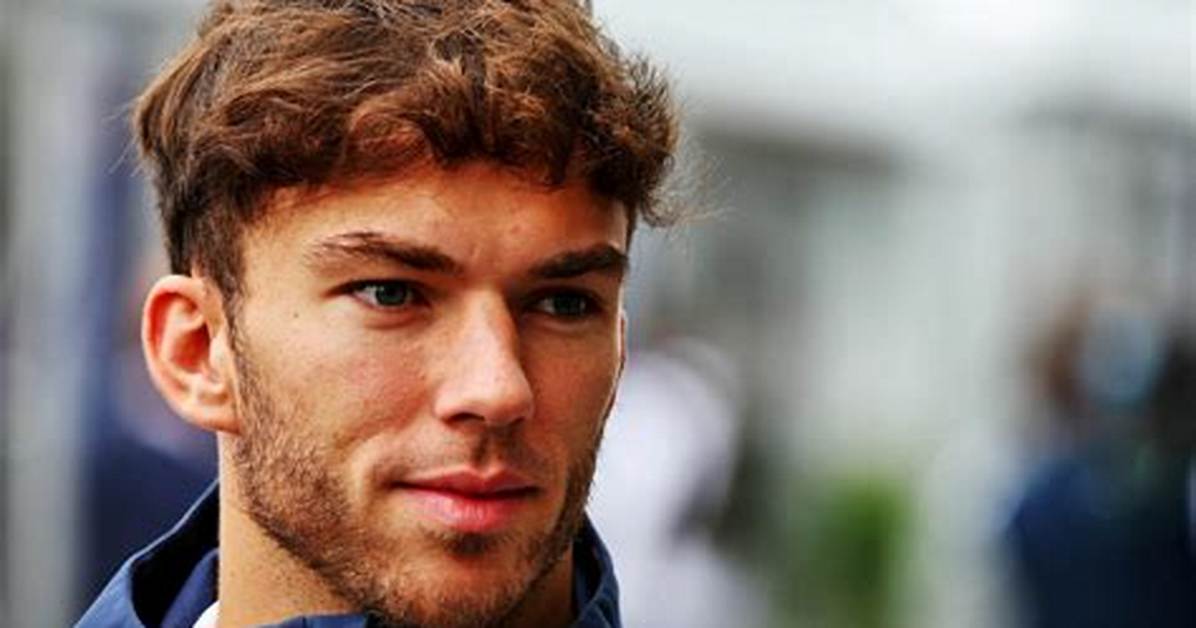
A 200-mph racing machine requires decisions made in fractions of a millisecond. If a driver’s visual processing slows down by twenty milliseconds, braking points are missed, tires lock, and overtaking windows close. For Gasly, cognitive reaction speed drills are integrated directly into physical warmups rather than treated as isolated party tricks.
Before climbing into the car, Gasly performs intense neuro-priming routines: catching dropped balls to test peripheral reflexes, tracking random LED sequences on Blazepod boards, and solving numerical pattern matrices while balancing on unstable surfaces. These drills activate the reticular system, priming the optic nerve and motor cortex for immediate response.
Biometric monitoring telemetry tracks these neuro-physical states continuously. Sleep staging via actigraphy rings, heart rate variability (HRV) metrics, and autonomic nervous system readiness tell the performance coach whether Gasly needs aggressive stimulation or parasympathetic down-regulation before the session starts. An academically grounded coach reads these biological telemetry traces with the same diagnostic scrutiny that Alpine's trackside engineers apply to engine sensor data.