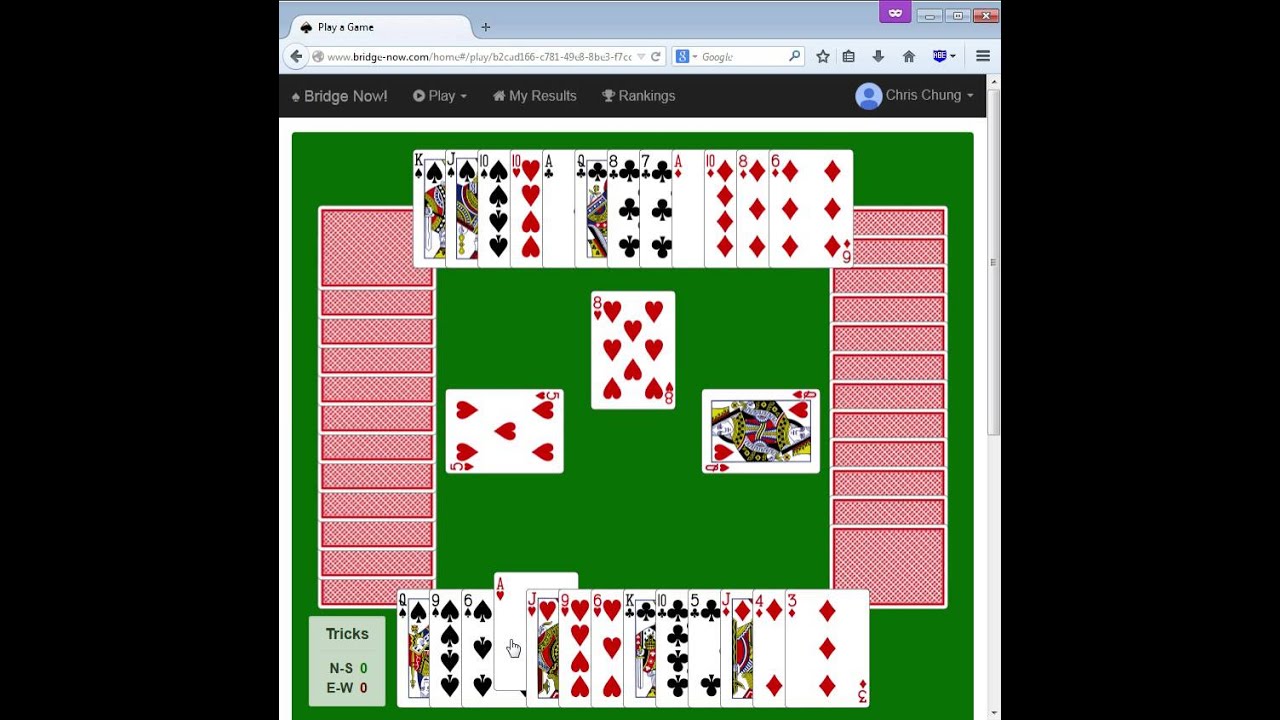
The trend began inside software development sandboxes and coaching suites. When Bridge Base Online (BBO) and standalone programs like Bridge Baron or Shark Bridge introduced robust table-creation tools, advanced players realized they could bypass flaky pickup partners. Instead of waiting twenty minutes for an erratic random pair to bid an auction, an ambitious student could seat themselves in all four chairs.
Solo bridge practice through four-seat deals functions as a live bidding system simulation. You test whether a systemic tweak, say, a variation of 2-way New Minor Forcing or specific responses to a 14, 16 1NT opening, creates awkward rebid bottlenecks for the opponents or your own side. You see immediately how competitive overcalls shake partner's shape.
The approach attracted players who felt stuck in lower club brackets. Standard declarer play technique books provide static diagrams; loading four hands into an interactive engine lets a student test how a defense might counter an unexpected safety play. Solitaire bridge training shifted from dealing out paper decks onto a dining table to executing hundreds of computerized four-hand deals each week.