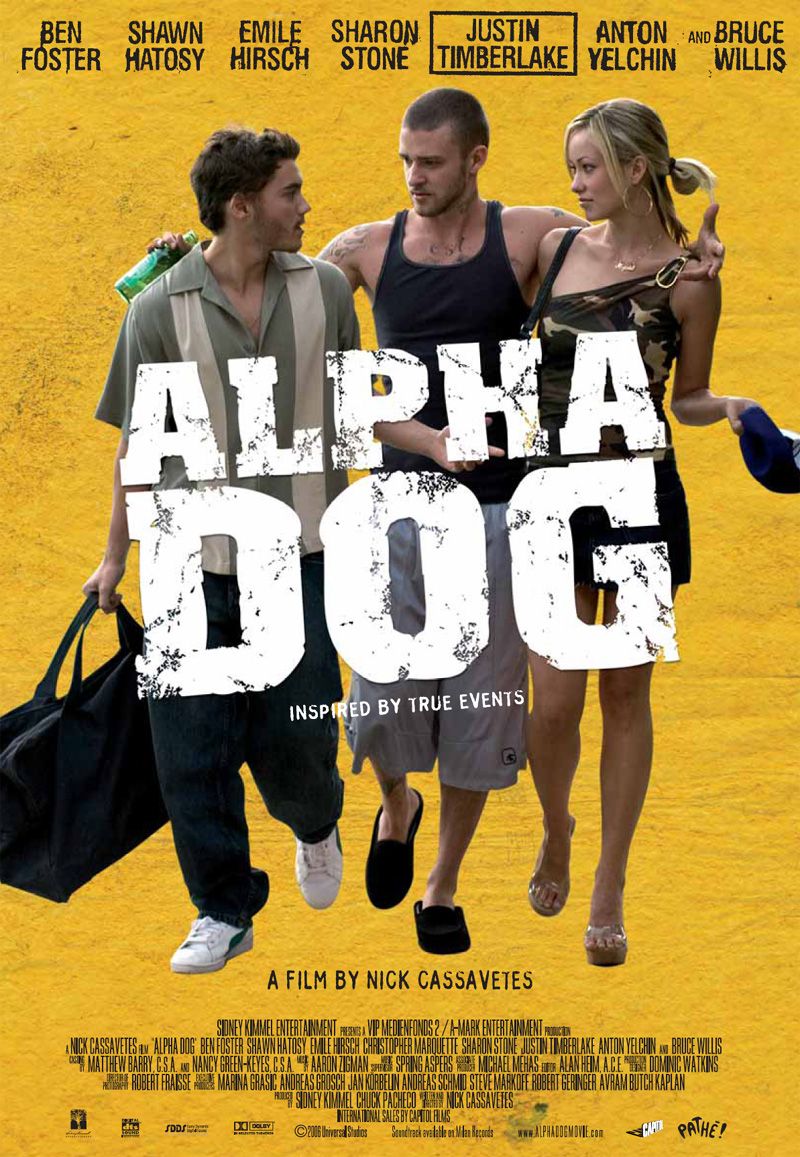
The transition from crime blotter to cinema produced a constitutional crisis inside the California legal system. While Hollywood's henchmen were arrested within weeks of Nicholas's death in late August 2000, Jesse James Hollywood vanished, evading international law enforcement for more than four years. In a controversial maneuver to generate global publicity, Santa Barbara County Deputy District Attorney Ronald Zonen provided his entire case file, including confidential witness interviews, psychiatric evaluations, and investigative notes, directly to Nick Cassavetes and Universal Pictures.
Zonen calculated that a theatrical release would flush Hollywood out of hiding. Hollywood was arrested in Saquarema, Brazil, in March 2005, living under an assumed identity. Defense attorneys promptly filed motions to recuse the entire Santa Barbara District Attorney's office, arguing that Zonen had committed gross prosecutorial misconduct by trading proprietary legal discovery for personal access and technical consultation credits on an upcoming commercial feature film.
The dispute ascended to the California Supreme Court in 2008. While the justices acknowledged that Zonen had displayed reckless judgment by disclosing unredacted prosecution materials to private filmmakers, the court ultimately allowed the trial to proceed under alternative representation. Hollywood was tried in 2009, convicted of first-degree murder and kidnapping, and sentenced to life imprisonment without the possibility of parole. Cassavetes’ production stood at the center of an ethical firestorm that risked throwing out a capital murder trial.