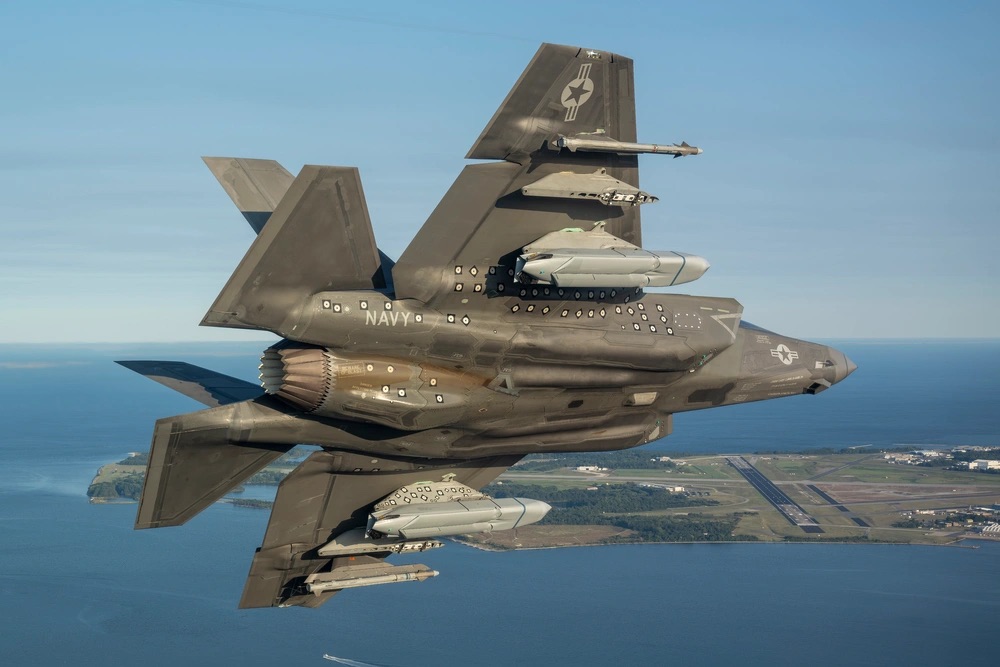
Public fascination with military flight tracking surged as crowdsourced tracking networks expanded across the globe. Anyone opening a real-time flight tracker can monitor thousands of commercial flights crisscrossing continents. Occasionally, high-profile callsigns like "REAPER," "NOBLE," or "DEATH" flash across the screen, designated with distinct military silhouette icons. Observers often assume the underlying network acts like an ultra-powerful civilian radar net catching stealth assets in mid-flight.
That assumption reverses the mechanical flow of information. Civilian flight trackers do not project high-energy electromagnetic pulses into the clouds to catch reflections bouncing off an airframe. Instead, these services aggregate signals transmitted outward from the aircraft itself. When an F-35 Lightning II or B-21 Raider illuminates on a Flightradar24 live map, the aircraft is actively broadcasting its telemetry. The display represents voluntary cooperation, not non-consensual surveillance.