
Q1: Why is name-brand Plan B One-Step so much more expensive than generic alternatives?
A1: Name recognition drives the pricing. Plan B One-Step, owned by Foundation Consumer Healthcare, was the first morning-after pill granted OTC status by the FDA. The active drug, 1.5 mg of levonorgestrel, is chemically identical across all FDA-approved generics like Take Action, Option 2, and My Way. Generics deliver the exact same pharmacological safety and efficacy at a lower price.
Q2: How can I buy emergency contraception for less than $15?
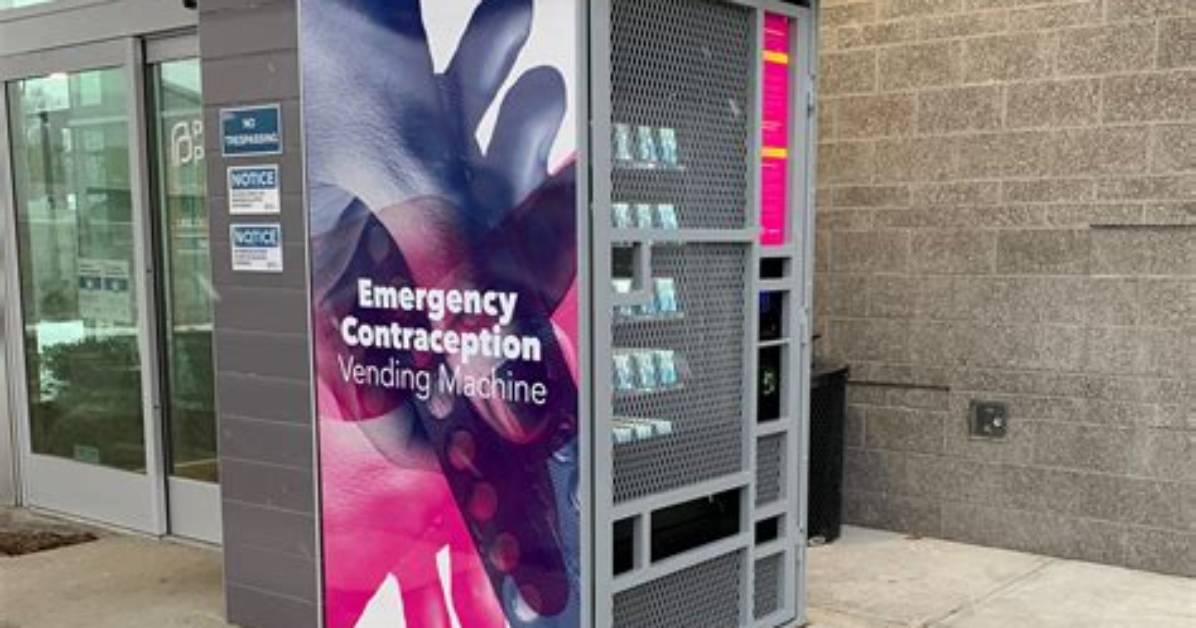
A2: The lowest prices are found through advance direct-to-consumer websites like AfterPill ($20, $25 including shipping, or as low as $12 per pack in multi-dose bundles), university campus wellness vending machines ($7, $15), or municipal public health free pickup hubs. Because delivery takes several days, online options must be purchased in advance rather than after an emergency arises.
Q3: Does insurance cover over-the-counter Plan B picked up off the shelf?
A3: Typically not at the cash register. To qualify for zero-dollar ACA insurance coverage, the medication must be processed through the pharmacy counter with a valid prescription or under a state pharmacist prescribing protocol. Submitting a receipt to your HSA or FSA allows you to spend pre-tax dollars, but regular commercial insurance will not reimburse front-counter OTC purchases without a prescription.
Q4: Is generic levonorgestrel an abortion pill?
A4: No. Emergency contraceptives containing levonorgestrel work by temporarily stopping or delaying ovulation. They prevent fertilization from happening. If fertilization and implantation have already occurred, levonorgestrel will not interrupt or terminate the pregnancy. Medication abortion involves mifepristone and misoprostol, an entirely different clinical regimen.


