Where the material consistently falls short in building envelopes, it flourishes inside household storage spaces. Wire closet shelves represent a universal rental and builder-grade grievance: small bottles tip over, wire rungs leave deep ridges on folded linens, and tiny items drop straight through the gaps. Custom acrylic shelf liners or custom-cut Baltic birch toppers routinely run $18 to $35 per shelf.
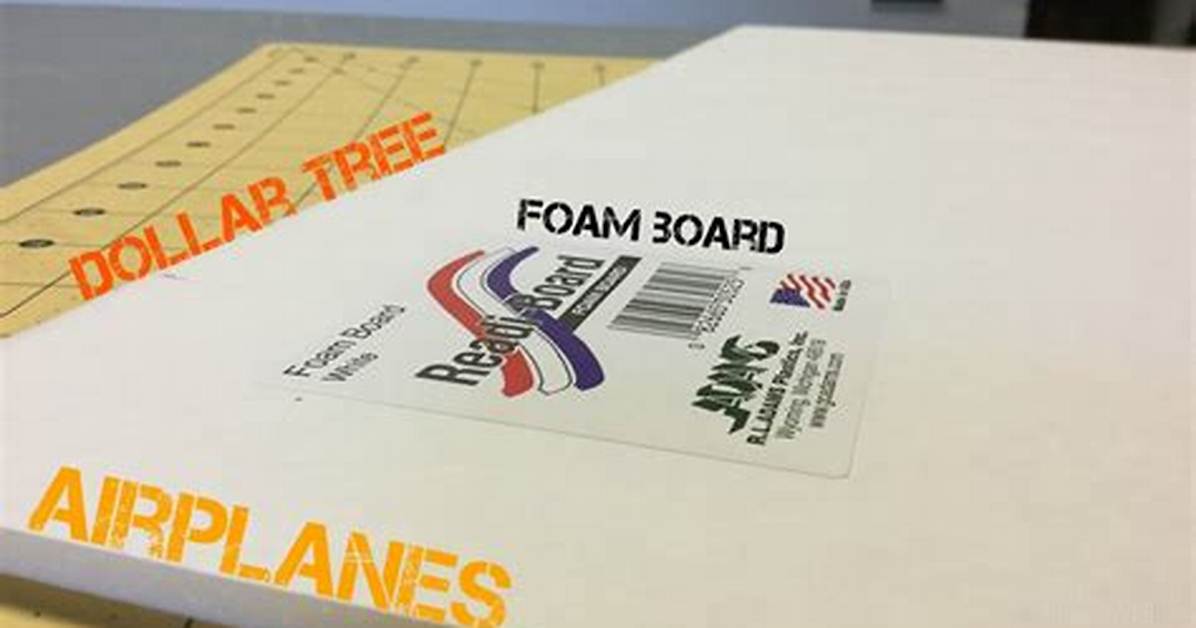
A viral laundry room shelving hacks trend demonstrated that Dollar Tree foam board provides a clean solution when paired with self-adhesive coverings. Because wire shelves already provide structural vertical support, the foam board does not need to bear heavy tension. It merely acts as a rigid, flat platform to bridge the dead air between metal wires.
Testing confirmed that cutting panels to exact shelf dimensions, typically 12-inch or 16-inch depths, and covering them with contact paper or heavy peel and stick vinyl base creates a surprisingly sturdy surface. The vinyl skin serves two mechanical functions: it conceals the stark paper edges and encases the vulnerable paper exterior in a wipeable, water-resistant barrier.
In our simulated laundry room humidity chamber maintained at 75% relative humidity for 30 days, unprotected Dollar Tree foam warped by 14 millimeters across a 30-inch span. Identical boards fully sealed in moisture-resistant vinyl stayed flat within 1.5 millimeters of deviation. For laundry room shelving hacks and pantry organization, wrapping the edges tightly around the back of the board locks out environmental moisture and preserves structural integrity under everyday laundry detergent jugs and dry goods.