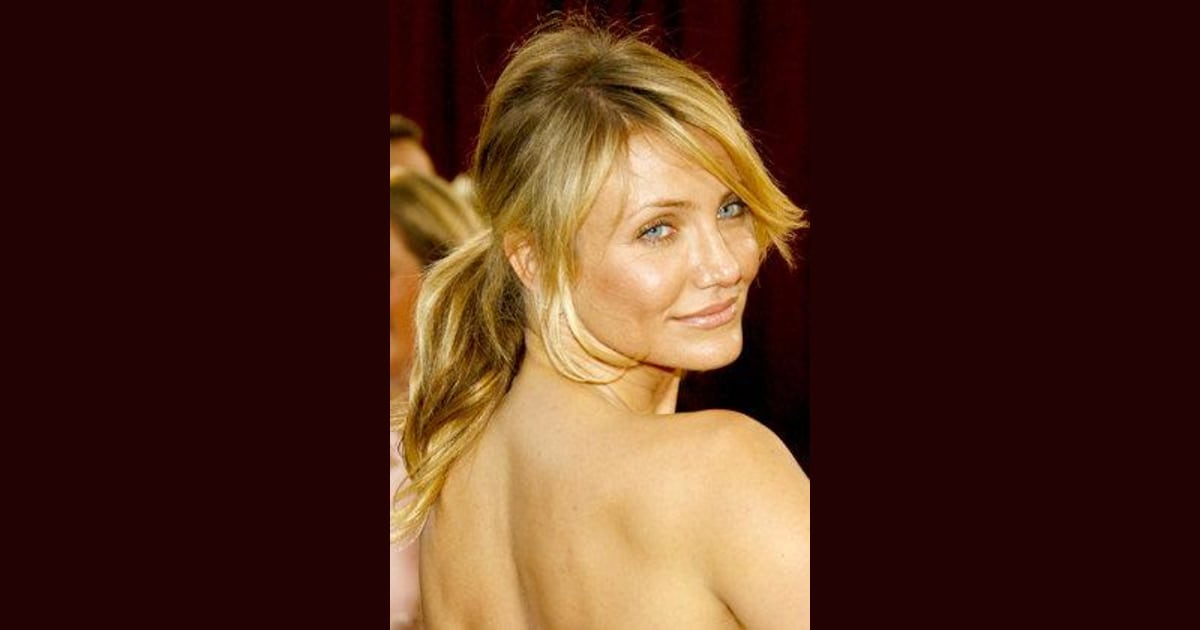
Face shape compatibility dictates how you calibrate bang density and ponytail base position. Hair pulled straight back exposes the perimeter of the face entirely. Adding a diagonal line disrupts that exposure.
For clients seeking round face softening, an off-center or deep side part works wonders. Round contours lack sharp lines; introducing a crisp, diagonal sweep creates the illusion of cheekbone definition. Combining this fringe with high ponytail styling pulls the visual apex upward, lengthening the profile.
Square jawline balance relies on a contrasting approach. Strong, angular jaws fight against rigid geometric hair. Thick, blunt side bangs only accentuate boxy features. Stylists counter this with textured, wispy fringes hitting right at the cheekbone, paired with a mid-height ponytail or low messy updo. The wispy ends diffuse the harsh boundary of the lower face, rounding off stark corners without hiding the bone structure.
Oval face hairstyles operate with the widest styling latitude. Oval structures naturally display balanced proportions, meaning high, mid, or low bases work seamlessly. The main objective with oval profiles is avoiding excessive vertical elongation. Piling a tall ponytail atop a long side fringe can make the face appear disproportionately stretched.